
Texas-Grown Seeds & Kits for Aspiring Homesteaders
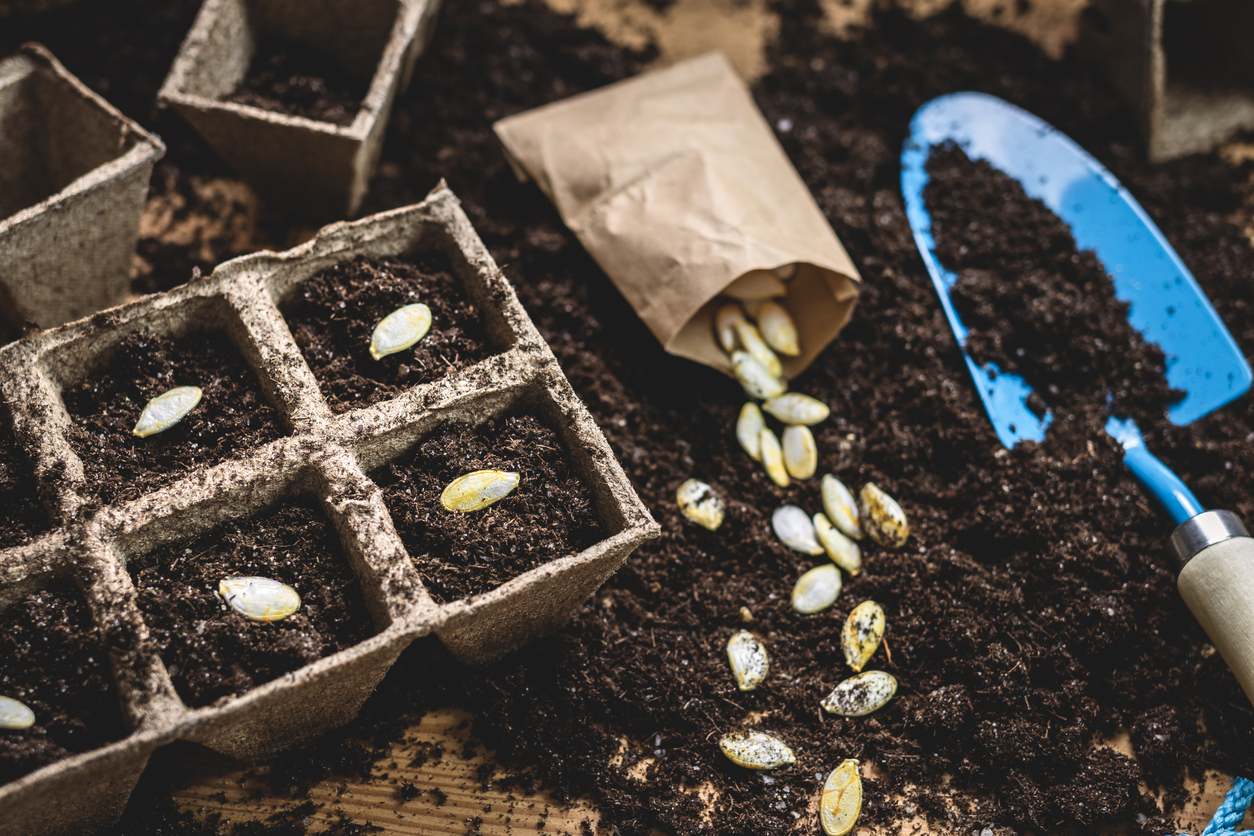
Texas homesteaders should invest in locally adapted seed varieties like Bob Dole wheat for drought tolerance, sorghum for low water needs, and pigeon peas for nitrogen fixing. You'll want 30-35 non-GMO heirloom varieties spanning cool and heat-loving crops for your specific climate zone. Look for traits like healthy seed coat integrity and larger seed size for better seedling vigor. The right Texas-grown seed kit can dramatically improve your self-sufficiency journey.
Small Grain Varieties Proven for Texas Homesteads
When establishing your Texas homestead, choosing the right small grain varieties can make the difference between thriving crops and disappointing yields. Texas farmers and ranchers plant nearly 8 million acres of small grains annually, with wheat dominating at more than 5 million acres. Consider Bob Dole wheat for its strong drought tolerance and a solid disease package, or Green Hammer if you're seeking dual-purpose benefits for both grazing and grain. WB4595 offers strong fall biomass ideal for livestock, while Guardian and High Cotton can fit maturity timing that helps balance forage and grain production. Don't overlook seed quality considerations like test weight and protein content when selecting varieties. For winter forage, oats provide rapid fall growth and superior palatability, making them perfect for livestock support during lean months. Farmers can expect beef cattle to gain about 1.0-2.0 pounds daily when grazing on high-quality small grain forage.
Drought-Tolerant Grain and Fiber Crops for Self-Sufficiency
Five remarkable drought-tolerant crops can transform your Texas homestead into a self-sufficient haven even during the harshest dry spells. Sorghum, with its deep root system, requires less water and fertilizer than corn while providing essential grain and forage. Consider pigeon peas, a drought-tolerant legume option that can thrive when other plants falter. You'll appreciate their growth habit during late summer's dry periods. Southern peas fix nitrogen while delivering protein-rich food for your pantry. They're perfect when adapting cropping strategies for variable rainfall. Specialized wheat types developed for the Panhandle can withstand Texas drought cycles while providing essential grains. Agricultural researchers test many different varieties to identify those best suited for the region's challenging conditions. Don't overlook cotton and sunflowers - both can tap deeper soil moisture and offer valuable fiber and oil resources for your homestead.
Year-Round Vegetable Seed Options for Texas Climate Zones
View this post on Instagram
A successful Texas vegetable garden requires understanding your specific climate zone and how it impacts year-round growing potential. With zones spanning from 6b to 10b, you'll need to tailor your seed selections accordingly. Northern regions face shorter growing seasons while southern areas can support continuous planting cycles. To maximize your vegetable production across Texas's varied climates:
- For zones 6b-8, alternate between cool-season crops (kale, lettuce) in spring/fall and heat-lovers (tomatoes, peppers) in summer
- Employ season extension techniques like row covers in northern regions to protect against unexpected frosts
- Choose drought-resistant varieties like cowpeas and hot peppers for southern and western Texas
- Plan ideal harvest timing by staggering plantings—especially in zones 9-10 where multiple crop cycles are possible
The 2023 updates to the USDA Plant Hardiness Map have shifted many areas into warmer zones, which may allow gardeners to experiment with more heat-loving varieties.
Building Your Texas Homestead Seed Kit: What to Include
Building a thorough Texas homestead seed kit goes beyond simply selecting random packets at the garden center. Your kit should contain 30-35 non-GMO heirloom varieties well-suited to Texas growing conditions, stored in moisture-resistant mylar packaging with desiccants to help maintain viability. Include a diverse mix of drought-tolerant vegetables, perennial herbs, and native wildflowers to support pollinators. Prioritize quick-yielding crops alongside longer-season varieties to implement effective seasonal crop rotation strategies. This variety will help you maintain soil fertility while ensuring higher yields throughout the growing season. Don't forget nitrogen-fixing legumes to naturally enrich your soil. The best kits also provide community building resources like planting guides tailored to Texas climate zones, companion planting charts, and seed-saving instructions. Add seed starting supplies—trays, coconut coir, and gentle misters—to ensure successful germination from day one. If you enjoy adding a touch of Texas charm to your homestead kitchen, you can pair your homegrown harvests with Texas-themed kitchenware.
Performance Traits to Look for in Texas-Adapted Seeds
When selecting seeds for your Texas homestead, understanding key performance traits can mean the difference between thriving gardens and disappointing yields. Look for seeds with strong seed coat integrity that balances protection with water uptake in our variable soils. Evaluate seed dormancy characteristics that align with Texas weather patterns—proper dormancy helps germination occur when conditions are favorable. Prioritize early emergence speed and uniformity, especially critical during our brief moisture windows. Choose larger seeds when possible, as they typically produce seedlings with higher seedling vigor metrics. Select varieties with proven performance in your specific eco-region of Texas. Remember that regionally adapted seeds often outperform generic varieties, particularly in drought conditions. For challenging areas, consider pelletized seeds that may improve establishment success in harsh Texas environments.
Economic and Environmental Advantages of Local Seed Selection
Why do savvy Texas homesteaders increasingly turn to locally grown seeds? The financial benefits are substantial—you'll reduce input costs while improving reliability with varieties adapted to Texas soils and climate. Native varieties can often lower irrigation needs and require fewer fertilizers and herbicides. Beyond your wallet, local seeds deliver impressive environmental returns. You'll promote increased biodiversity by supporting native plant communities essential for pollinators and wildlife. Native seed mixes can help create drought-resistant landscapes that thrive in Texas' challenging climate conditions. These plants improve soil health, enhance carbon sequestration, and can lead to reduced chemical runoff in local waterways. Your property value may even increase as native vegetation creates healthier, more attractive landscapes. The local seed industry also strengthens rural economies by creating jobs and supporting partnerships between landowners and restoration projects across Texas.