Common Mistakes First-Time Chicken Owners Make
Common Mistakes First-Time Chicken Owners Make
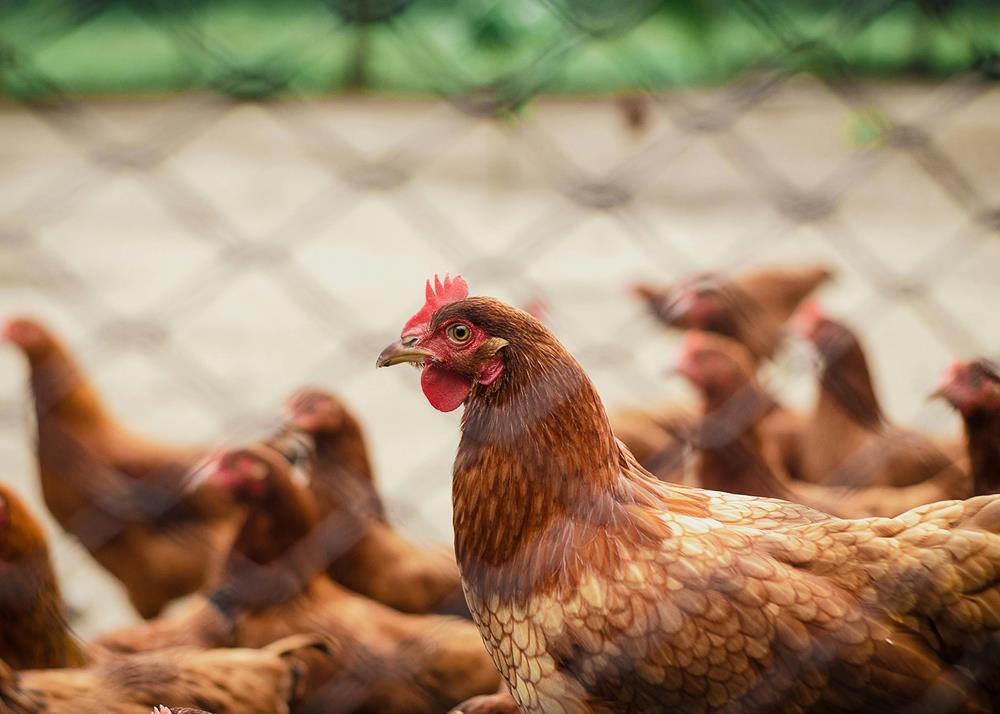
Bringing home your first flock of chickens is exciting. Fresh eggs, friendly backyard companions, and the satisfaction of a more self-sufficient lifestyle are all part of the appeal. But as many new poultry keepers quickly discover, raising chickens is not quite as simple as filling a feeder and collecting eggs each morning.
First-time chicken owners often make avoidable mistakes — not through neglect, but through inexperience. Understanding common pitfalls, particularly around nutrition, housing, and seasonal changes like the chicken laying season, can make the difference between a thriving flock and ongoing frustration.
Here are the most common mistakes first-time chicken owners make — and how to avoid them.
Underestimating Space Requirements
One of the biggest early missteps is providing too little space. Chickens may look small, but they need room to move, scratch, dust-bathe and establish a pecking order. Overcrowding can lead to:
- Bullying and feather pecking
- Stress-related drops in egg production
- Increased disease transmission
- Dirty nesting areas
As a general guide, allow at least 1 square metre per bird in the coop and 3–4 square metres per bird in the run. If you're free-ranging, ensure the yard is secure and predator-proof.
Choosing the Wrong Breed for Your Goals
Not all chickens are created equal. Some breeds are prolific layers, others are better suited for meat, and some are chosen primarily for temperament or appearance. A common mistake is choosing birds based on looks alone without considering:
- Egg production rates
- Climate suitability
- Temperament (particularly if you have children)
- Noise levels
In Australia's varied climate, heat tolerance can be just as important as cold hardiness. Research breeds carefully before committing.
Poor Nutrition (or Treating Them Like Pets)
It's easy to spoil chickens with kitchen scraps, but too many treats can unbalance their diet. Chickens need a complete layer feed formulated with the right protein, calcium and essential nutrients. Common feeding mistakes include:
- Too many grains and scraps
- Inadequate calcium, leading to soft or thin-shelled eggs
- Not providing grit for digestion
- Feeding incorrect feed types (such as chick starter to adult hens)
Calcium is particularly critical once hens begin laying. During peak laying periods, deficiencies often become noticeable, especially in warmer months when production increases.
Ignoring Seasonal Changes
Chickens are highly responsive to daylight hours. Egg production naturally increases and decreases throughout the year. Many first-time owners panic when egg numbers drop or shells become inconsistent.
During peak laying periods, hens place enormous demand on their bodies. Understanding how seasonal light affects egg output — particularly during the chicken laying season — helps owners prepare with appropriate feed adjustments and supplementation.
Likewise, moulting can dramatically reduce egg production. This is normal and not a sign of illness.
Inadequate Coop Ventilation
A coop must be dry, secure and well-ventilated — but not draughty. Poor airflow leads to ammonia build-up from droppings, which can cause respiratory problems. Key coop considerations include:
- Ventilation openings above roost height
- Protection from wind and rain
- Easy access for cleaning
- Predator-proof locks
Many new owners focus heavily on warmth, particularly in cooler regions, but ventilation is often more important than insulation.
Skipping Biosecurity Basics
It's easy to overlook biosecurity when you have a small backyard flock. However, diseases can spread quickly. Common oversights include:
- Introducing new birds without quarantine
- Allowing visitors to handle chickens without hygiene measures
- Sharing equipment with other poultry keepers
- Not regularly cleaning feeders and drinkers
Simple precautions significantly reduce risk.
Not Preparing for Predators
Australia is home to foxes, snakes, rats, and birds of prey — all of which see chickens as an easy meal. First-time owners often underestimate predator determination. A secure coop should include:
- Buried wire around the perimeter
- Reinforced doors and locks
- Secure roofing over runs
- Automatic coop doors if you're not home at dusk
A single breach can wipe out an entire flock overnight.
Expecting Immediate Eggs
New chicken owners are often surprised that pullets (young hens) don't lay immediately. Most breeds begin laying between 18–24 weeks of age, depending on breed and season – even then, early eggs may be small, irregularly shaped or soft-shelled (this is normal while their reproductive systems mature).
Overlooking Health Checks
Chickens are good at hiding illness. By the time symptoms are obvious, a bird may already be quite unwell. Regularly observe your flock for:
- Changes in appetite
- Lethargy
- Abnormal droppings
- Swelling or discharge
- Feather condition
Early detection makes treatment far easier and more effective.
Forgetting That Chickens Are a Long-Term Commitment
Chickens can live 5–10 years or more. Egg production, however, typically declines after the first two to three years. Many first-time owners don't plan for:
- Reduced laying as hens age
- Ongoing feed costs
- Veterinary expenses
- What to do with older hens
Responsible ownership means planning beyond the "fresh eggs every morning" phase.
Raising chickens is immensely rewarding — but success comes from preparation, education and realistic expectations
Most mistakes first-time chicken owners make are entirely preventable with the right knowledge. By providing adequate space, balanced nutrition, proper housing and an understanding of seasonal laying patterns, you'll set your flock up for strong egg production, good health and a long, happy life in your backyard. With thoughtful planning and attention to detail, your first experience with chickens can be both productive and deeply satisfying — and far less stressful than many beginners expect.