Homesteading Trivia and Farm-Life Facts Every Rural Living Fan Should Know
Homesteading occupies a unique place in American imagination. Images of log cabins, wide-open prairies, and self-sufficient families have become part of popular culture, often romanticized as a simpler way of life. Yet the reality was far more demanding. Building a successful homestead required legal knowledge, physical endurance, and agricultural skill.
What makes homesteading so fascinating today is that many of its lessons still resonate with modern rural living enthusiasts. Food preservation, livestock care, gardening, and community cooperation remain central to contemporary homesteading culture. Looking back at how frontier families survived reveals a wealth of surprising facts about farm life, resourcefulness, and the determination that shaped entire communities.
The Homestead Act Facts Most People Get Wrong
The Homestead Act of 1862 is often remembered as a government program that simply handed free land to anyone willing to move west. In reality, the process was far more demanding. Applicants had to file paperwork, pay fees, live on the land, and demonstrate that they had made meaningful improvements before they could claim ownership.
The law granted eligible settlers up to 160 acres, but receiving the deed required patience and persistence. Families had to build homes, cultivate fields, and maintain continuous residence for five years. Droughts, crop failures, harsh winters, and financial hardship forced many settlers to abandon their claims before meeting the requirements.
Despite its challenges, the Homestead Act helped shape rural America. More than 270 million acres eventually passed into private ownership through the program, creating thousands of farms and communities whose influence can still be seen across the country today.
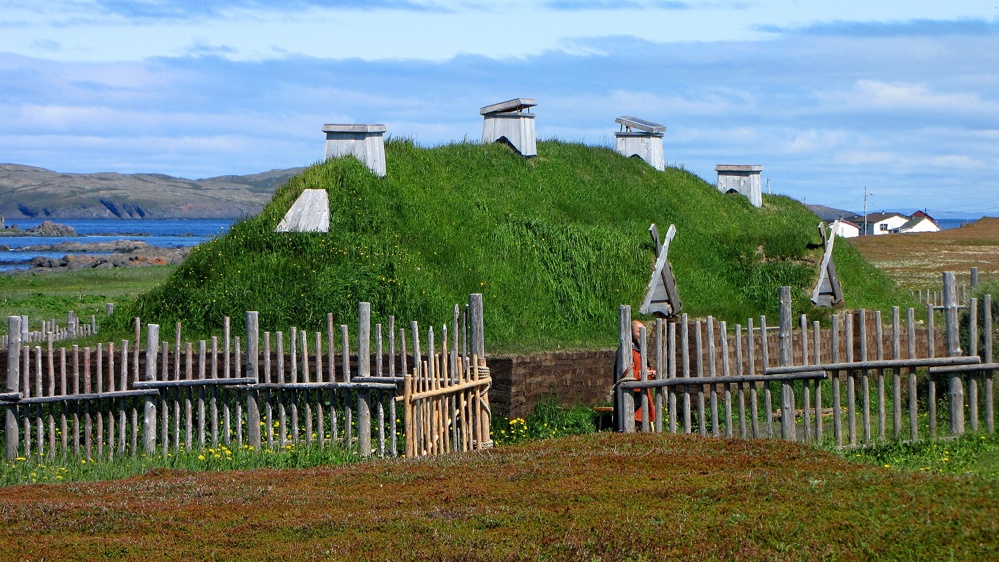
What Life Inside a Homestead Sod House Was Really Like
On the treeless Great Plains, settlers often had no choice but to build homes from the ground beneath their feet. Thick blocks of prairie sod became walls, creating sturdy structures that offered insulation against both summer heat and winter cold. These homes became known as sod houses, or "soddies."
Living inside one was far less comfortable than modern depictions suggest. Dirt occasionally fell from ceilings, insects found their way indoors, and heavy rains could turn sections of the walls into mud. Families frequently covered interior walls with fabric, newspaper, or whitewash to reduce dust and improve appearance.
Even with those drawbacks, sod houses represented ingenuity and survival. They allowed families to establish homes in regions where traditional building materials were scarce, proving that resourcefulness often mattered more than comfort on the frontier.
The Backbreaking Daily Work of Early Homesteaders
Daily life on a homestead revolved around labor. Long before sunrise, farmers began tending livestock, repairing equipment, hauling water, and preparing fields. Every season brought a new list of physically demanding tasks that had to be completed regardless of weather or exhaustion.
Breaking prairie sod was among the hardest jobs. The thick root systems of native grasses resisted cultivation, forcing farmers to guide heavy plows pulled by horses or oxen across mile after mile of stubborn ground. Harvesting required additional effort, often involving hand tools and long hours in the field.
Women faced equally demanding workloads. Cooking, laundry, food preservation, sewing, childcare, and household maintenance consumed much of each day. Homesteading was not a lifestyle built around leisure—it was a continuous cycle of work that required contributions from every member of the family.
The Hand Tools and Farm Animals Every Homesteader Depended On
Without the right tools and animals, even the most determined homesteader couldn't survive long on the frontier. You relied on hand tools and draft animals to do nearly everything, from breaking sod to harvesting grain. Your most essential resources included:
- Breaking plow – Draft animals like horses or oxen pulled it to turn tough prairie sod, sometimes covering 20 miles a day.
- Scythe – You used this hand tool to harvest grain before mechanized equipment became available on most farms.
- Milk cows and chickens – These animals supplied your family with dairy, eggs, and meat, keeping hunger at bay through long winters.
Without this combination of hand tools and draft animals working together, completing even basic farm tasks would've been nearly impossible.

Why Horses Were More Valuable Than Most Farm Equipment
Before tractors became common, horses were among the most valuable assets a homesteading family could own. They pulled plows, hauled wagons, transported supplies, and helped farmers cover long distances that would otherwise require hours of walking. A strong team of horses could dramatically increase how much land a family could cultivate each season.
Caring for horses was also a significant responsibility. They required feed, shelter, grooming, and veterinary attention, all of which consumed time and resources. During harsh winters or droughts, keeping work animals healthy became just as important as protecting crops.
For many homesteaders, horses represented both labor and opportunity. A reliable team could mean the difference between finishing spring planting on time or falling behind. Their importance to daily farm operations made them one of the most prized possessions on the frontier.
Crops That Kept Homesteading Families Fed and Funded
Crop selection often determined whether a homestead prospered or struggled. Wheat became one of the most important cash crops across many frontier regions, while corn and oats supported both families and livestock. Flax offered additional opportunities for income and practical household use.
Farmers learned quickly that diversity mattered. Growing multiple crops reduced risk when weather conditions damaged one harvest but spared another. This approach helped families maintain food supplies while protecting their finances from complete disaster.
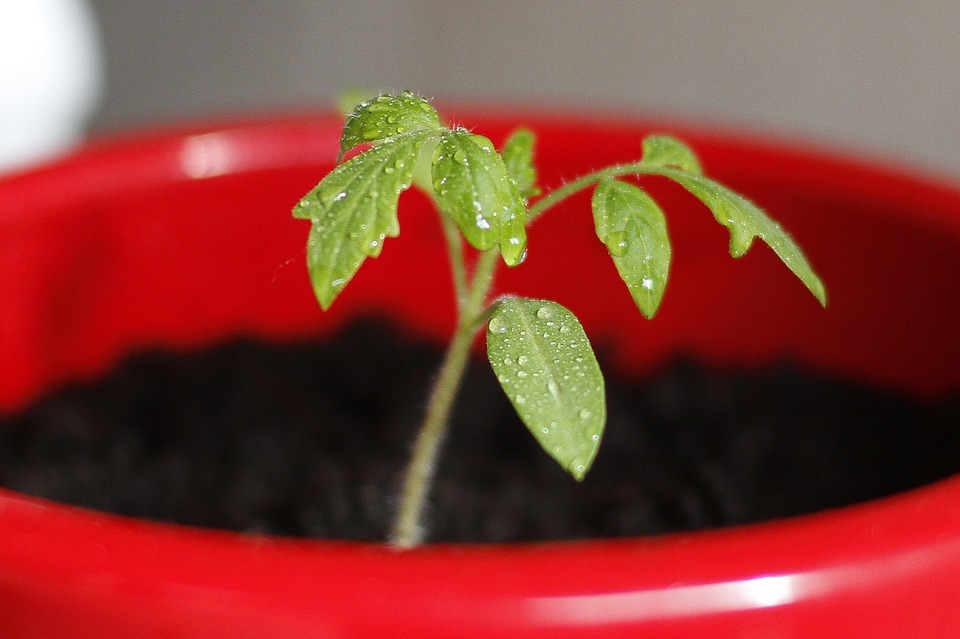
Seed saving also played a major role in long-term success. By selecting seeds from the strongest plants each season, homesteaders gradually improved crop resilience and reduced dependence on outside suppliers.
The Surprising Role of Kitchen Gardens on Frontier Farms
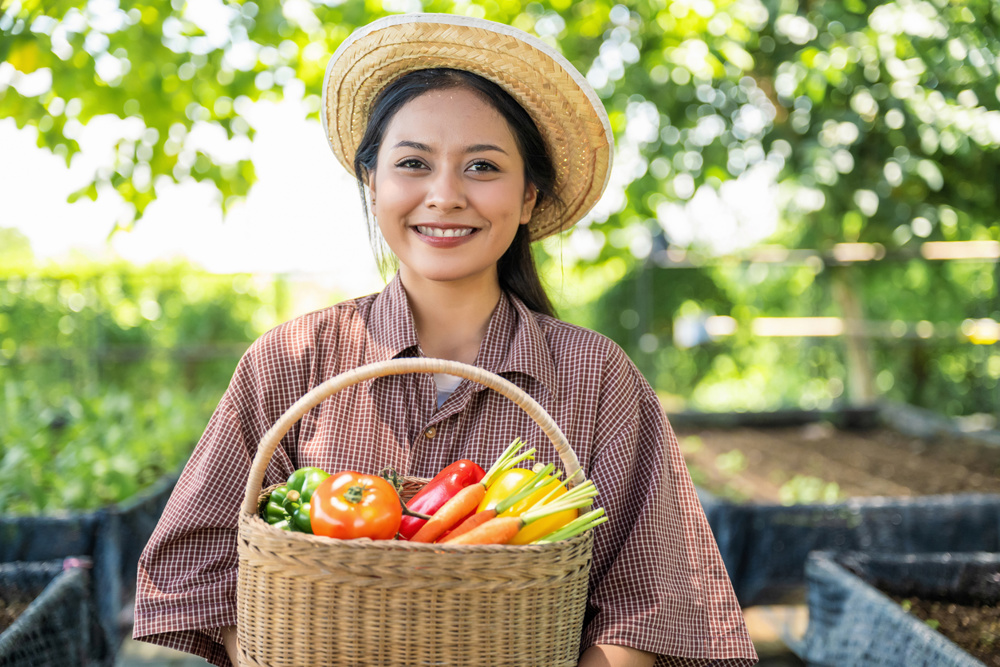
Large crop fields often receive most of the attention in homesteading history, but kitchen gardens were equally important. These smaller plots supplied vegetables, herbs, and fruits that provided essential nutrition throughout the year.
Families commonly grew beans, cabbage, onions, carrots, squash, and potatoes. Herbs such as sage, thyme, and mint served both culinary and medicinal purposes. Every available space near the house was often used productively.
A successful kitchen garden could mean the difference between a varied diet and months of repetitive meals. For many homesteaders, these gardens represented security, self-sufficiency, and a direct connection to daily food needs.
How Homesteaders Stored Food Without Refrigeration
Keeping food from spoiling fell entirely on your ingenuity before refrigeration existed. You'd dig root cellars to store produce in cool, stable underground temperatures. Food fermentation let you preserve vegetables, dairy, and grains through natural bacterial processes. Seed saving meant pulling from your best crops each harvest to guarantee next season's supply.
Three core storage methods homesteaders relied on:
- Root cellars – Underground chambers maintained consistent cool temperatures, protecting potatoes, carrots, and other vegetables through harsh winters.
- Food fermentation – Pickling and culturing extended the shelf life of vegetables and dairy without any modern equipment.
- Cold frames – Simple structures placed over garden beds helped stretch the growing season in colder climates, reducing how much food needed storing at all.
The Household Skills Every Homesteading Child Learned Early
Children on homesteads rarely had the luxury of avoiding work for long. From an early age, they learned practical skills that helped support the family and prepared them for adult responsibilities. Chores were considered a normal part of growing up rather than occasional assignments.
Boys and girls often helped with feeding animals, gathering eggs, hauling water, collecting firewood, and tending gardens. Older children might assist with planting, harvesting, food preservation, or caring for younger siblings. These responsibilities taught independence while ensuring that important work was shared across the household.
Many of the skills homesteading children learned would later serve them throughout their lives. Resourcefulness, work ethic, and self-reliance became essential traits in rural communities, helping future generations maintain farms and homesteads of their own.
Why Canning Became a Homesteading Game-Changer
While root cellars handled many storage needs, home canning revolutionized food preservation during the late nineteenth and early twentieth centuries. Glass jars allowed families to preserve fruits, vegetables, jams, sauces, and even meats for months at a time.
For homesteaders facing long winters or unpredictable harvests, canning provided a reliable way to extend the usefulness of seasonal abundance. Canning expanded dietary options throughout the year and reduced dependence on fresh harvests alone. Instead of watching excess produce spoil, families could preserve tomatoes, peaches, beans, and other crops at peak ripeness.
Today, canning remains one of the most recognizable skills associated with modern homesteading. Many rural living enthusiasts continue to preserve their own food as a way to save money, reduce waste, and maintain a closer connection to what they eat. The practice serves as a direct link to generations of farm families who relied on the same techniques to keep their households fed year-round.
How Neighbors and Community Got Homesteaders Through the Hardest Years
Despite popular images of rugged independence, successful homesteading often depended on cooperation. Neighbors regularly shared tools, labor, knowledge, and resources when challenges arose. On the frontier, few families possessed every piece of equipment they needed.
Barn raisings remain one of the best-known examples of this community spirit. Entire groups would gather to construct a building in a single day, accomplishing work that would have taken one family weeks or even months to complete. Similar cooperation appeared during harvest seasons, livestock emergencies, illness, and severe weather events.
These support networks provided more than practical assistance. Frontier life could be isolating, particularly for families living miles from the nearest town. Community gatherings, church events, school socials, and shared work projects created opportunities for friendship and mutual support.
The Farm-Life Lessons Modern Homesteaders Still Use Today
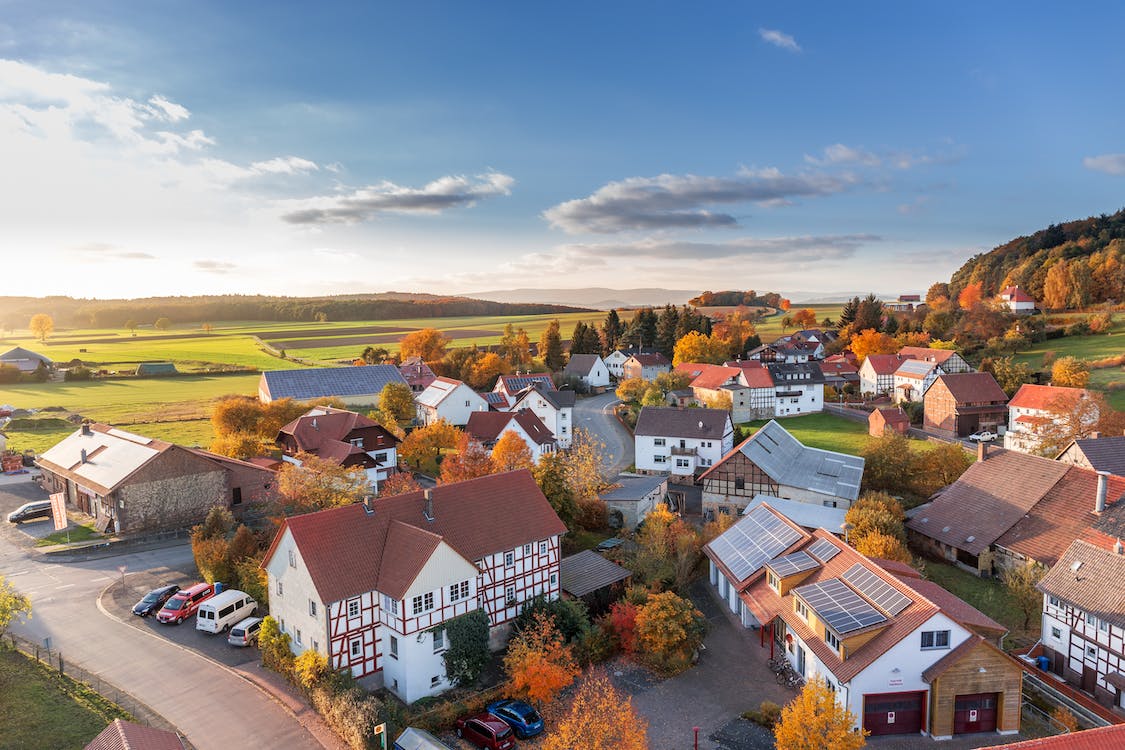
Many practices developed by early homesteaders remain relevant in modern rural living. Gardening, food preservation, composting, livestock care, seed saving, and self-sufficiency continue to attract people who want greater control over their food and resources.
Modern homesteaders often benefit from technology that early settlers could never have imagined, including tractors, irrigation systems, online learning resources, and specialized equipment. Even so, successful homestead management still depends on planning ahead, adapting to changing conditions, and making the most of available resources.
This continuity helps explain why interest in homesteading continues to grow. Beyond practical benefits, the lifestyle offers a sense of connection to earlier generations who learned to work with the land rather than against it.
Many people are drawn not only to the skills themselves but also to the stories behind them. Exploring homesteading triviathat reveals what rural life was really like helps connect modern homesteaders with the experiences, challenges, and innovations that shaped earlier generations.
Conclusion
Homesteading was never as simple as popular mythology sometimes suggests. Behind every successful claim stood years of hard work, difficult decisions, and constant adaptation to unpredictable conditions. From sod houses and breaking plows to root cellars and community barn raisings, frontier life demanded resilience at every turn.
Yet those challenges also produced traditions and skills that continue to inspire rural living enthusiasts today. The lessons of self-reliance, cooperation, food preservation, and connection to the land remain just as relevant now as they were more than a century ago. The tools may have changed, but the spirit of homesteading continues to thrive.