Why Farm-to-Table Nostalgia Still Has a Place in Modern Food Culture
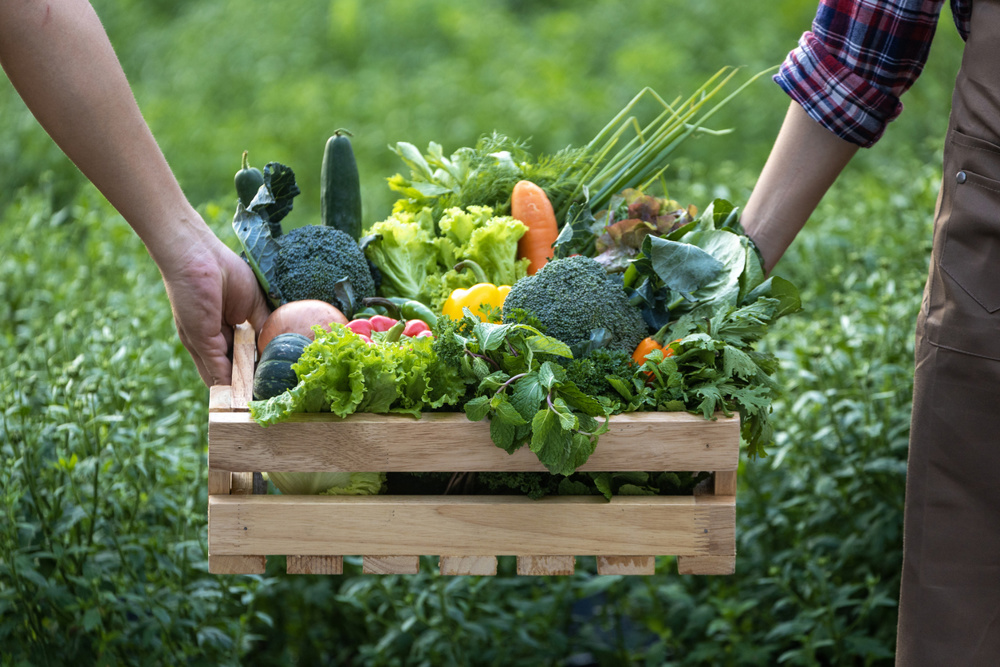
Food has always been about more than nourishment. Long before restaurant trends and sourcing labels became part of everyday dining conversations, meals connected people to their families, communities, and landscapes. The ingredients on the table often reflected local seasons, regional traditions, and generations of accumulated knowledge.
While the movement is often associated with fresh produce and local sourcing, its deeper appeal lies in the memories and stories attached to food itself. Diners aren't simply seeking better ingredients. They're seeking experiences that feel authentic, personal, and rooted in something larger than convenience.
What Farm-to-Table Actually Means Today
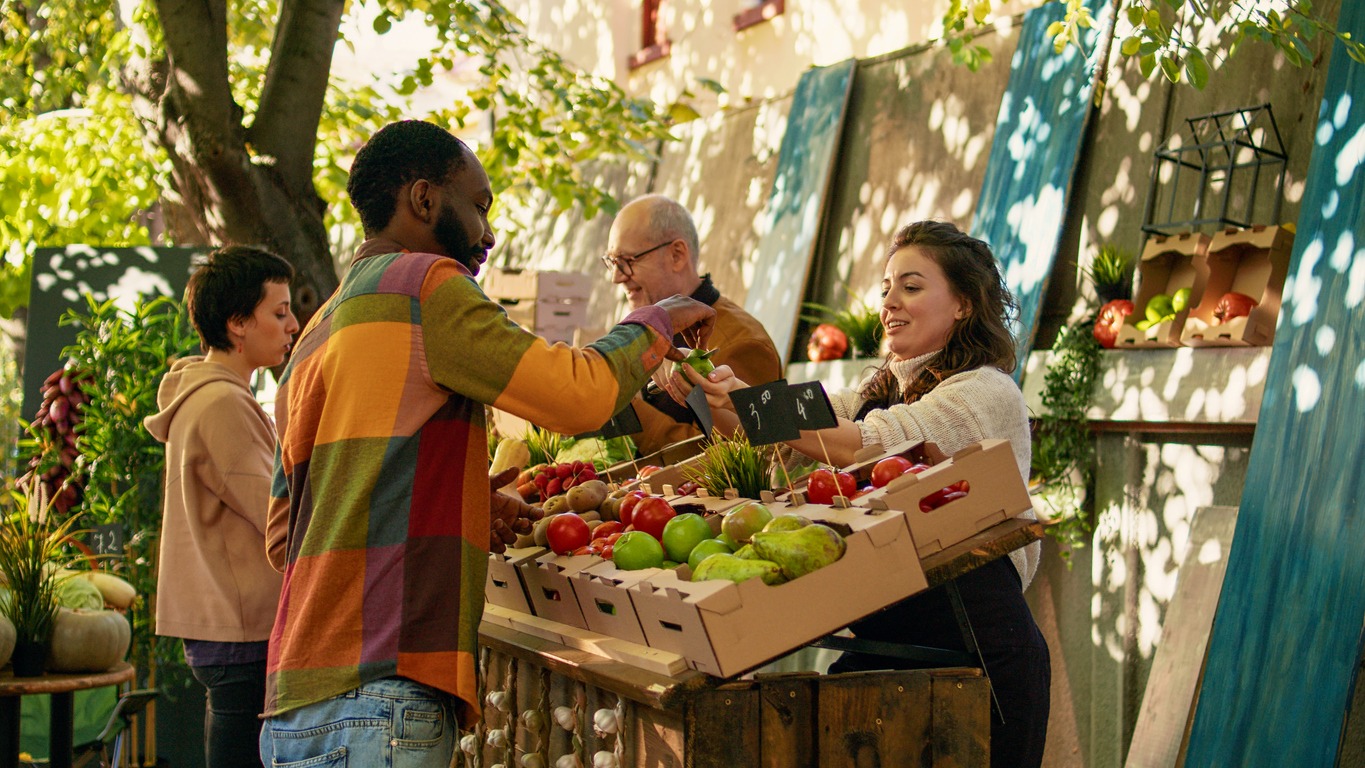
Farm-to-table is often used as a marketing phrase, but its original meaning remains straightforward. The model focuses on shortening the distance between producers and consumers by sourcing ingredients directly from local farms, ranches, fisheries, and food artisans. Instead of relying on lengthy distribution networks, restaurants and consumers build closer relationships with the people who grow and produce their food.
The modern farm-to-table movement gained momentum in the United States during the 1970s, when chefs and food advocates began emphasizing seasonal ingredients and local agriculture. Restaurants such as Chez Panisse in California demonstrated that sourcing locally could improve both flavor and transparency. Over time, similar approaches spread throughout North America, Europe, and many other regions around the world.
Although the phrase has become more common, the core idea remains unchanged. Farm-to-table emphasizes food that reflects a specific place, season, and producer. In an increasingly globalized food system, that connection to origin continues to distinguish the movement from conventional sourcing models.

Why Farm-to-Table Nostalgia Hits a Cultural Nerve
Part of the movement's appeal comes from its ability to connect food with memory. Certain flavors, ingredients, and cooking methods can instantly remind people of family gatherings, childhood meals, or regional traditions that shaped their understanding of food. Farm-to-table dining often taps directly into those emotional associations.
Historically, most communities relied heavily on local agriculture because there were few alternatives. Seasonal eating wasn't a lifestyle choice—it was a practical necessity. Families cooked with whatever was available nearby, creating recipes that reflected local climates, crops, and cultural traditions. Those dishes often became deeply embedded in community identity.
Today, diners often respond to farm-to-table menus because they offer a sense of familiarity and belonging. Even when the recipes are modern, the ingredients and techniques frequently evoke older traditions. That emotional connection helps explain why the movement continues attracting new audiences despite changing food trends.
How Farm Life Became a Symbol of Simpler Living
For many people, farm-to-table nostalgia extends beyond food itself. It draws on a broader cultural image of farm life as a slower, more intentional way of living. Images of harvest seasons, family farms, and home-cooked meals often represent stability and connection in a fast-moving world.
Throughout the twentieth century, agriculture became increasingly industrialized. Large-scale production improved efficiency and availability, but it also created greater distance between consumers and the origins of their food. As a result, farms gradually shifted from everyday realities for many people to symbols of a more grounded lifestyle.
Whether entirely accurate or somewhat romanticized, that image remains influential. Farm-to-table dining allows people to reconnect with the values often associated with rural life: community, craftsmanship, stewardship, and a closer relationship with the land. Those themes continue to shape how people think about food today.
Why Farm-to-Table Menus Are Reviving Heritage Ingredients
One of the most visible effects of the movement is the return of heritage ingredients. Ancient grains, heirloom vegetables, regional beans, and indigenous crop varieties are appearing on menus that once relied almost entirely on standardized commercial products. These ingredients often offer distinctive flavors and textures that modern agriculture gradually pushed aside.
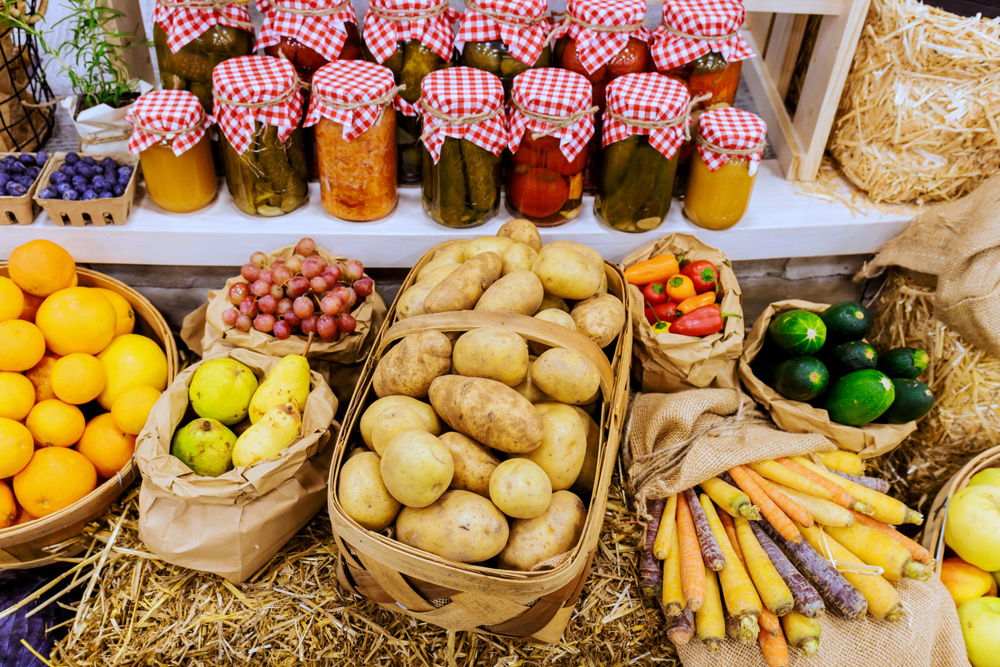
Many of these foods survived because small farmers and local communities continued cultivating them despite economic pressures favoring higher-yield crops. Heritage wheat varieties, heirloom tomatoes, and traditional rice cultivars often remained part of local food systems even as industrial farming prioritized uniformity and long-distance transportation.
Their revival benefits both diners and producers. Restaurants gain access to ingredients with unique culinary identities, while farmers find new markets for crops that might otherwise disappear. In many cases, preserving these ingredients also helps preserve the cultural traditions that developed around them.
The Stories Hidden Inside Traditional Ingredients
Traditional ingredients often carry histories that extend far beyond their role in a recipe. A particular bean variety may trace its origins to immigrant communities, while an heirloom grain may reflect generations of adaptation to a local climate. These foods tell stories about migration, agriculture, and cultural exchange.
For centuries, families preserved seeds, recipes, and cooking techniques that reflected their heritage. Many of those traditions survived through oral history and everyday cooking rather than formal documentation. As a result, ingredients themselves became living records of local culture.
When chefs feature these ingredients on modern menus, they help keep those stories alive. Food becomes a way of experiencing history firsthand. Every dish serves as a reminder that culinary traditions are not static artifacts but living parts of contemporary culture. These ingredients do more than add flavor to a dish—they help preserve food traditions and cultural memory that might otherwise fade over time.
The Farm-to-Table Market Numbers Behind the Movement
The popularity of farm-to-table dining is supported by more than nostalgia alone. Across many regions, consumer demand for local sourcing, seasonal ingredients, and heritage foods continues to grow. Diners increasingly seek experiences that offer both quality and a stronger sense of connection to the food they consume.
Recent market data reflects this shift. Restaurants emphasizing local sourcing, regional cuisine, and traditional ingredients have experienced notable growth in multiple countries. Consumers are demonstrating a willingness to pay more for products that provide transparency, authenticity, and support for local producers.
These trends suggest that farm-to-table is no longer a niche movement. What began as a response to industrialized food systems has evolved into a significant part of modern dining culture. The market growth reinforces what many chefs and farmers have observed for years: people care about where their food comes from.
How Farm-to-Table Sourcing Supports Sustainability and Food Justice
Farm-to-table sourcing also appeals to consumers because it aligns with broader concerns about sustainability. Shorter supply chains often reduce transportation distances, lower emissions, and minimize some of the environmental costs associated with moving food across long distances.
Beyond environmental benefits, local sourcing can strengthen regional economies. Direct relationships between producers and buyers allow more revenue to remain within communities rather than passing through multiple intermediaries. Farmers often gain greater control over pricing, production methods, and business decisions.
These benefits contribute to larger conversations about food justice and food sovereignty. Supporting local producers encourages systems that prioritize transparency, accountability, and resilience. As climate and supply-chain challenges become more common, those qualities are increasingly valued by both consumers and policymakers.
What Chefs Actually Gain From Farm-to-Table Supply Chains
Chefs often describe farm-to-table sourcing as a creative advantage rather than a limitation. Direct access to local growers allows them to plan menus around real harvests instead of standardized product catalogs. That flexibility encourages seasonal creativity and experimentation.
Relationships with farmers can also introduce chefs to ingredients rarely found in wholesale distribution systems. Heritage vegetables, specialty grains, and regionally adapted crops frequently inspire dishes that distinguish one restaurant from another. These ingredients help create a stronger culinary identity rooted in local agriculture.
The benefits extend beyond creativity. Fresher ingredients often arrive closer to peak flavor and quality because they spend less time in storage and transportation. For chefs focused on ingredient-driven cooking, that difference is immediately noticeable on the plate.
The Celebrity Chefs Who Popularized the Movement
While local food traditions existed long before the phrase "farm-to-table" became popular, influential chefs helped bring the concept into mainstream dining culture. Among the most notable was Alice Waters, whose emphasis on seasonal, locally sourced ingredients transformed the way many people thought about restaurants.
Through cookbooks, interviews, and culinary education, Waters and other chefs encouraged diners to pay attention not only to recipes but also to sourcing. Their work helped shift public conversations toward ingredient quality, agricultural practices, and the relationships between restaurants and local producers.
Today, their influence can be seen throughout the industry. Many restaurants proudly identify their suppliers, feature seasonal menus, and highlight regional products. The visibility of these practices owes much to the chefs who helped make local sourcing a central part of contemporary food culture.
How Farm-to-Table Bridges Tradition and Innovation
One reason the movement has endured is its ability to balance preservation and innovation. Farm-to-table restaurants frequently celebrate traditional ingredients while using contemporary techniques to present them in new ways. The result feels both familiar and fresh.
Modern chefs often work with heritage grains, indigenous vegetables, and regional products while incorporating advanced culinary methods. Traditional fermentation, sourdough baking, and preservation techniques are often paired with modern equipment and evolving culinary knowledge. This combination allows old traditions to remain relevant without becoming static.
Rather than choosing between past and present, farm-to-table dining embraces both. It treats tradition as a foundation for creativity rather than a limitation. That balance helps explain why the movement continues evolving while remaining connected to its roots.
Conclusion
Farm-to-table nostalgia endures because it speaks to something people have always sought from food: connection. Whether through local ingredients, heritage crops, family traditions, or relationships with producers, the movement reminds diners that food is about more than convenience. Every ingredient carries a story, and every meal has the potential to connect people with a place, a community, or a shared history.
As food culture continues to evolve, that desire for authenticity shows little sign of fading. New techniques, technologies, and dining trends will continue shaping how people eat, but the appeal of food tied to real people and real places remains remarkably resilient. Farm-to-table dining succeeds because it honors the past while remaining adaptable enough to grow with the future.
Related posts