How Texas Farms Are Evolving with New Agritourism Trends
Texas farms are rapidly evolving beyond traditional agriculture into dynamic destinations generating $192 million in agritourism revenue in 2022. You'll find farms deploying AI analytics, drones, and digital twins while offering wedding venues, U-pick experiences, and farm-to-table dining. This tech-savvy approach supports thousands of rural jobs and preserves cultural heritage through workshops showcasing regional traditions. The transformation creates multiple income streams that strengthen rural communities and provide economic resilience against market volatility.
The $192 Million Boost: How Agritourism Is Reshaping Rural Texas
A remarkable transformation is underway across rural Texas as agritourism emerges as a powerful economic driver. Despite fewer participating farms, the sector generated about $192 million in 2022—an impressive 18% increase from 2017. When you visit these agricultural attractions, your spending ripples through local economies, supporting hospitality businesses, retail shops, and creating jobs in multiple sectors. The integration of technological innovations in farm tours and interactive experiences has significantly enhanced visitor engagement and satisfaction. In 2022, the Texas Christmas tree industry alone contributed more than $714 million in total economic impacts and supported nearly 6,000 jobs across the state. This economic stabilization helps shield farmers from market volatility while preserving agricultural heritage. As farms earn more per visitor, they're investing in experiences that attract tourists while maintaining their agricultural roots—a winning strategy for rural Texas's future. You'll find this revenue diversification is strengthening rural communities beyond the farm gate.
Tech-Driven Transformation: Modern Tools Redefining Farm Experiences
View this post on Instagram
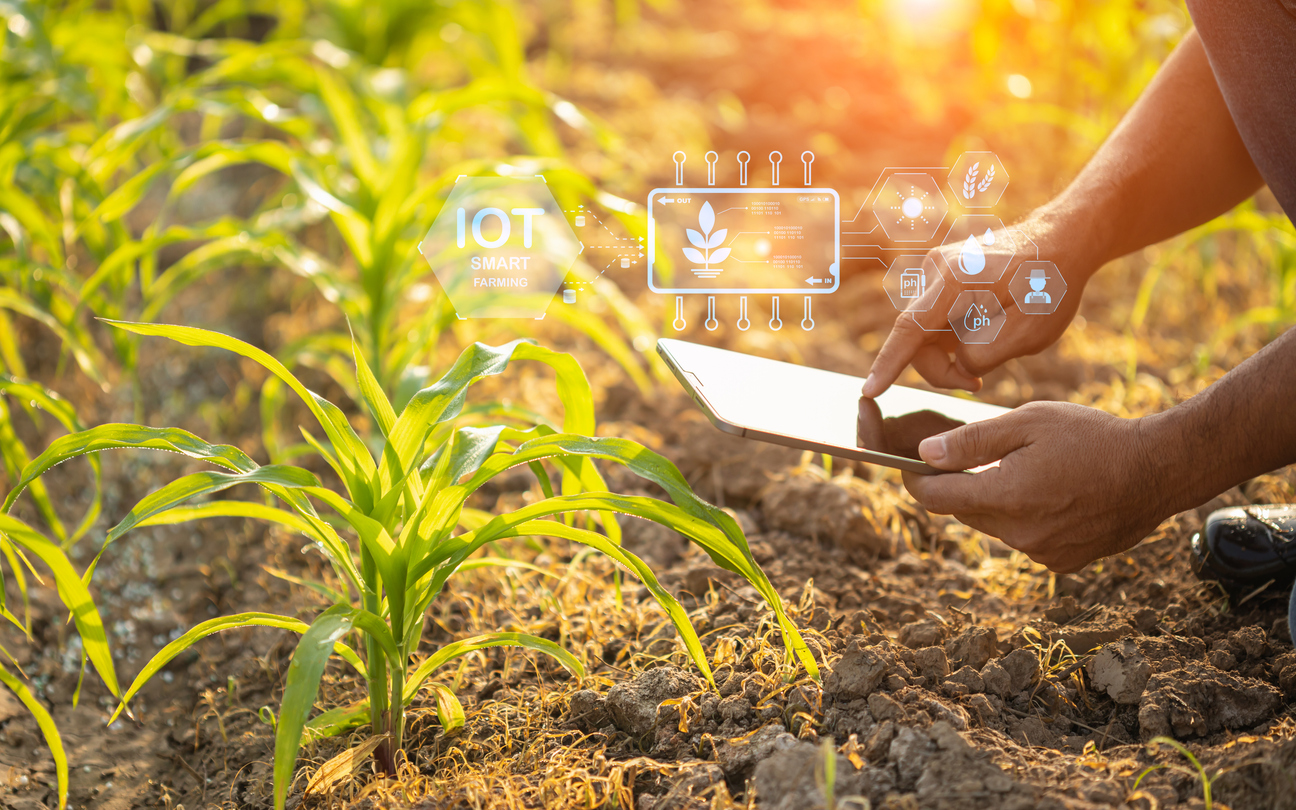
While traditional farming conjures images of tractors and hand-picked crops, today's Texas agritourism experiences are increasingly powered by cutting-edge technology. You'll witness smart farming technologies in action, from AI-powered analytics predicting harvests with high accuracy to drones detecting crop issues in real time. These innovations aren't just impressive demonstrations—they're revolutionizing how farms operate. Digital twins create virtual models that simulate different scenarios, helping farmers make data-driven sustainability decisions that reduce input costs and environmental impact. Research shows farms using digital-twin approaches can cut water and fertilizer use by around 30% while boosting yields, underscoring the technology’s long-term potential. When you visit modern Texas farms, you're likely to see robotics handling labor-intensive tasks and satellite monitoring systems optimizing irrigation. Platforms like Farmonaut’s satellite-based crop intelligence give real-time insights into crop health and resource use. These technologies tell compelling stories of conservation and efficiency that enhance your educational experience while showcasing how even small farms can leverage tech to thrive against climate challenges.
Beyond Traditional Farming: Diversifying Revenue Through Visitor Experiences
Numerous Texas farmers have transformed their agricultural operations into dynamic destinations that offer much more than crops and livestock. You'll find innovative business models emerging across the state as farms add wedding venues, corporate retreats, and seasonal festivals to their portfolios. Farm diversification strategies now commonly include U-pick experiences, petting zoos, and educational workshops that appeal to urban visitors seeking authentic rural connections. These additions aren't just attracting tourists—they're generating substantial revenue. Despite fewer participating farms, Texas agritourism revenue jumped about 18% to $192 million in 2022. When you visit these evolved operations, you'll likely encounter farm-to-table dining options and on-site retail shops selling local products, creating multiple income streams that shield farmers from market volatility while strengthening community ties. This approach significantly contributes to rural economic resilience by creating jobs in hospitality and food retail sectors beyond traditional farming employment.
Cultural Preservation Through Agricultural Tourism
Beneath the surface of Texas agritourism lies a powerful vehicle for cultural preservation that extends far beyond economic benefits. When you visit these farms, you're participating in cultural exchange opportunities that connect urban and rural worlds through traditional craft demonstrations, storytelling sessions, and hands-on workshops. You'll discover regional food traditions through farm-to-table experiences showcasing Texas's diverse culinary heritage—from Southern BBQ to Tex-Mex cuisine using heritage crops. Many farms have developed community engagement initiatives where local artisans display handcrafted goods while elders share personal histories of rural life. These experiences preserve traditional skills like blacksmithing, quilting, and indigenous cooking methods that might otherwise disappear. Farms that report recreational or agritourism income typically show a median household net worth of nearly $800,000, compared to significantly lower values for farms without such offerings, highlighting how experience-based activities can strengthen long-term farm finances. Through partnerships with heritage tourism programs, Texas farms aren't just producing food—they're safeguarding the cultural fabric that defines the Lone Star State.
The Economic Ripple Effect: How Farm Visits Strengthen Local Businesses
View this post on Instagram
The cultural richness of Texas agriculture translates into tangible economic prosperity across the state's rural landscapes. When you visit a Texas farm, your spending extends far beyond the admission fee, creating a powerful economic ripple effect. Local businesses thrive through community partnerships with nearby farms. Restaurants showcase farm-fresh ingredients, while hotels accommodate overnight visitors exploring multiple agricultural attractions. Through basic visitor profiling and collaboration, farms and local merchants identify guest preferences, tailoring experiences that encourage higher spending. With Texas agritourism generating $192 million in 2022 despite fewer participating farms, the impact is undeniable. Christmas tree farms alone illustrate this ripple effect: the Texas Christmas tree industry supports nearly 6,000 jobs in total and, in 2022, generated more than $714 million in overall economic impacts, including a direct impact of about $397 million, almost 3,900 jobs, and more than $97 million in payroll. Many Christmas tree farms have expanded their operations to include engaging activities that attract more visitors throughout the holiday season. Your farm visit helps diversify rural economies, creating resilience against agricultural market volatility.
New Generation Farmers Embracing Experience-Based Agriculture
Innovation drives today's young Texas farmers, who are revolutionizing agriculture beyond traditional crop and livestock production. You'll find these tech-savvy agriculturalists deploying AI, precision farming, and satellite monitoring while simultaneously developing community engagement strategies through on-farm experiences. These newcomers—often from business, technology, and environmental science backgrounds—are leveraging automated equipment and smart irrigation systems to free up time for agritourism activities. Smart technologies have proven particularly valuable during periods of drought, improving water conservation while maintaining productive operations. They're creating farm-to-table events and hands-on workshops that facilitate generational knowledge transfer while diversifying their income. As land consolidation continues and farm sizes change, these farmers maximize their acreages through high-value experiences. They're integrating regenerative practices into educational components, attracting environmentally conscious visitors while building resilience. This approach isn't just sustaining their businesses—it's revitalizing rural communities and supporting ongoing population and job growth in these areas.
From Cotton Fields to Corn Mazes: Adapting Crop Production for Tourism
Across Texas farmlands, traditional agricultural operations are undergoing a remarkable transformation as farmers convert their cotton fields, wheat acreage, and cattle pastures into interactive tourist attractions. You'll now find farms incorporating non-traditional crops like pumpkins and sunflowers alongside commodity staples. These creative crop configurations aren't random—they're strategically planned to align with peak tourist seasons. Farmers are implementing multi-crop rotations that serve dual purposes: maintaining profitability while enhancing visitor appeal. They're investing in pathways, signage, and retail spaces to accommodate guests, while precision agriculture technology helps guarantee corn mazes and pumpkin patches thrive. This adaptation has become increasingly important as Texas has lost about 6.7 million acres of grazing lands since 1997, pushing producers to seek new ways to keep land in active, profitable use. Many farms have elevated event offerings through smart infrastructure adaptations, including improved access roads and educational installations. This technological integration helps time plantings perfectly, ensuring your family's fall maze adventure or spring sunflower photo opportunity delivers memorable experiences worth returning for.
Educational Opportunities: Connecting Urban Visitors With Agricultural Heritage
While traditional farming operations continue across Texas, a dynamic educational revolution is taking place as farms transform into immersive classrooms for urban visitors. You'll find rich experiential learning opportunities through seasonal tours that showcase everything from planting to harvesting, with hands-on demonstrations that connect you directly to agricultural processes. The newly released agritourism fact sheets covering all 50 states offer valuable insights for Texas farmers looking to develop their educational agritourism offerings. Watch fifth-generation farmers demonstrate heritage plowing techniques with draft horses pulling antique equipment across freshly tilled soil. Join a cheese-making workshop where you'll transform fresh milk from the morning's milking into artisanal products. Participate in community engagement programs where children harvest vegetables they planted months earlier during school field trips. Farm-to-table experiences further deepen your understanding of food systems as you follow crops from soil to dinner plate, creating meaningful connections to Texas's agricultural heritage.
Sustainable Practices as Visitor Attractions
Texas farmers have transformed sustainable agricultural practices into engaging visitor attractions, extending the educational experience beyond heritage to showcase modern eco-conscious farming. You'll find conservation education programs highlighting soil health through demonstrations of conservation tillage and precision irrigation systems that conserve water in drought-prone regions. Many farms now market their sustainable tourism experiences featuring integrated pest management (IPM) and nutrient management practices that protect local ecosystems. Advanced monitoring techniques powered by satellite-based platforms such as Farmonaut help visitors understand the importance of data-driven decision making in modern crop production. As you explore, you'll encounter dedicated wildlife habitats and sustainable grazing systems that balance cattle production with grassland preservation. Renewable energy installations—from solar panels to wind turbines—demonstrate agriculture's green future, while water conservation technologies like rainwater catchment systems show how farms adapt to Texas's challenging climate. These innovations not only educate visitors but position agritourism as a catalyst for environmental stewardship.
The Financial Case for Adding Tourism to Texas Farm Operations
Adding tourism to farm operations has emerged as a powerful financial strategy for agricultural businesses throughout the Lone Star State. With U.S. farms generating $1.26 billion in agritourism income in 2022—a 12.4% increase since 2017—you'll find compelling reasons to diversify your revenue streams beyond traditional sales. Imagine visitors picking sun-ripened peaches from your orchard while learning about sustainable farming practices. Picture families traversing your autumn corn maze with laughter echoing across golden fields. Envision guests relaxing in rustic farm cabins, waking to roosters and spectacular Texas sunrises. Agritourism revenue has more than tripled between 2002 and 2017, according to the USDA Census of Agriculture, demonstrating the growing potential of this sector across the country. While regulatory oversight requires additional planning, the investment typically pays off. Developing value-chain partnerships with local businesses can further enhance your farm's appeal and profitability, especially if you're located near urban areas where visitor spending is highest.