Maintaining Peak Performance in Modern Farm Machinery: Practical Insights for Today’s Farmers
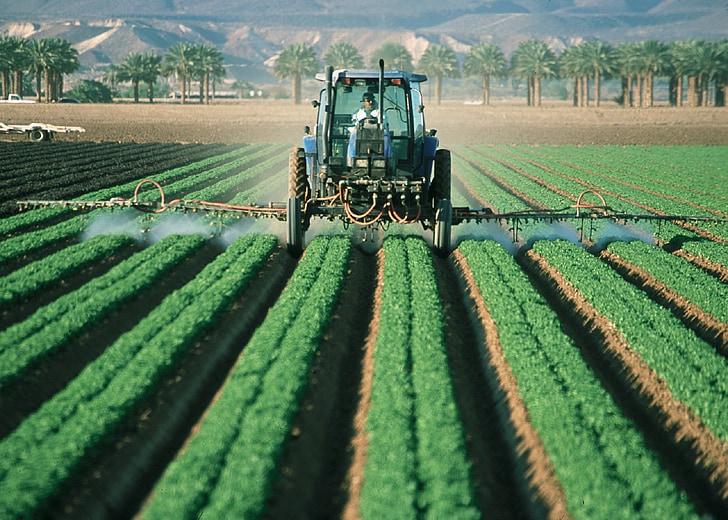
Modern agriculture depends heavily on reliable machinery. From compact tractors to advanced hydraulic systems, today's equipment is engineered to handle demanding workloads while improving efficiency across the farm. Yet even the most well-built machines require consistent attention and care. Without proper maintenance, performance drops, downtime increases, and repair costs can escalate quickly.
For farmers and equipment operators, understanding how to maintain machinery isn't just about extending lifespan—it's about protecting productivity. A well-maintained tractor or implement doesn't just run better; it works safer, consumes less fuel, and delivers consistent results when it matters most.
Why Preventive Maintenance Still Matters in Modern Farming
While technology has transformed agricultural equipment, the fundamentals of maintenance remain unchanged. Preventive care is still the most effective way to avoid unexpected failures. Even with advanced diagnostics, many issues begin as small inefficiencies that go unnoticed until they become serious problems.
Routine inspections, fluid checks, and timely servicing allow operators to catch early signs of wear. Whether it's a minor leak, a clogged filter, or unusual vibrations, these indicators often point to underlying issues that can be addressed before they disrupt operations.
Reducing Downtime During Critical Seasons
Harvest and planting seasons leave little room for equipment failure. When machines break down during peak periods, delays can affect crop quality and yield. Preventive maintenance ensures that machinery is ready when needed, minimizing interruptions and helping farmers stay on schedule.
Understanding Hydraulic Systems in Agricultural Equipment
Hydraulic systems play a central role in modern tractors and implements. They power lifting mechanisms, steering systems, and attachments, making them essential for efficient operation. However, these systems are sensitive to contamination and air intrusion, both of which can compromise performance.
Air trapped within hydraulic lines can lead to erratic movements, reduced power, and increased wear on components. Over time, this can damage seals, pumps, and valves, resulting in costly repairs.
Addressing Air in Hydraulic Systems
One of the most overlooked maintenance tasks involves removing trapped air from hydraulic systems. For example, understanding the process of bleeding air from a Kubota tractor can significantly improve system responsiveness and prevent long-term damage. This process ensures smooth operation and helps maintain consistent pressure within the system, which is critical for both performance and safety.
The Role of Operator Awareness in Equipment Longevity
Even the most advanced machinery depends on the operator's awareness and habits. Small decisions—such as how equipment is started, loaded, or shut down—can have a lasting impact on its condition. Operators who understand their machines are better equipped to recognize unusual behavior and respond appropriately.
Listening for changes in engine sound, monitoring temperature gauges, and observing how equipment responds under load are all part of effective machine management. These practices help identify issues early and reduce unnecessary strain on components.
Building Good Operating Habits
Consistent operating habits can extend the life of machinery significantly. Avoiding sudden starts, overloading, and abrupt stops helps reduce mechanical stress. Additionally, allowing engines to warm up before heavy use and cool down afterward contributes to long-term reliability.
Safety Considerations When Working with Farm Machinery
Maintenance and safety go hand in hand. Equipment that is not properly maintained poses risks not only to productivity but also to operator safety. Faulty brakes, worn tires, or malfunctioning hydraulics can lead to serious accidents.
Farmers should follow established safety guidelines and regularly inspect equipment for potential hazards. Resources such as tractor safety recommendations from agricultural authorities provide valuable insights into safe operating practices and risk prevention.
Routine Safety Checks
Simple checks—such as ensuring proper tire pressure, verifying brake functionality, and inspecting lights and signals—can prevent accidents. Safety should never be treated as a secondary concern, especially when working with heavy machinery in dynamic environments.
Adapting to Changing Agricultural Trends
Agriculture continues to evolve, with new technologies and practices reshaping how farms operate. From precision farming to agritourism, modern farms are diversifying their activities and adopting innovative approaches to stay competitive.
For instance, many farms are exploring new opportunities beyond traditional crop production. This shift is highlighted in discussions around how farms are evolving through agritourism and diversification, where equipment plays a key role in supporting both agricultural and visitor-focused activities.
Equipment Versatility in Modern Farming
As farms diversify, the demand for versatile equipment increases. Tractors and utility vehicles must adapt to a wide range of tasks, from fieldwork to property maintenance and visitor support. This makes proper maintenance even more critical, as equipment is often used more frequently and in varied conditions.
Creating a Maintenance Routine That Works
Every farm operates differently, so maintenance routines should be tailored to specific equipment and usage patterns. While manufacturer guidelines provide a baseline, real-world conditions often require adjustments.
Keeping a maintenance log can help track service intervals, identify recurring issues, and ensure that no critical tasks are overlooked. Digital tools and farm management software can further streamline this process, making it easier to stay organized.
Balancing Cost and Efficiency
Some operators hesitate to invest in regular maintenance due to cost concerns. However, the long-term savings often outweigh the initial expense. Preventing a major breakdown is typically far less costly than repairing or replacing damaged components.
Efficient maintenance also improves fuel economy and reduces wear, contributing to overall operational efficiency. In the long run, well-maintained equipment supports both productivity and profitability.
Conclusion
Farm machinery is the backbone of modern agriculture, and its reliability depends on consistent care and informed operation. From understanding hydraulic systems to adopting safe practices and adapting to evolving farming trends, maintenance plays a central role in ensuring long-term performance.
By prioritizing preventive care, staying attentive to equipment behavior, and embracing practical maintenance strategies, farmers can protect their investments and maintain steady productivity. In a field where timing and efficiency are everything, well-maintained machinery remains one of the most valuable assets on any farm.