Central Texas Farming Traditions Near Austin
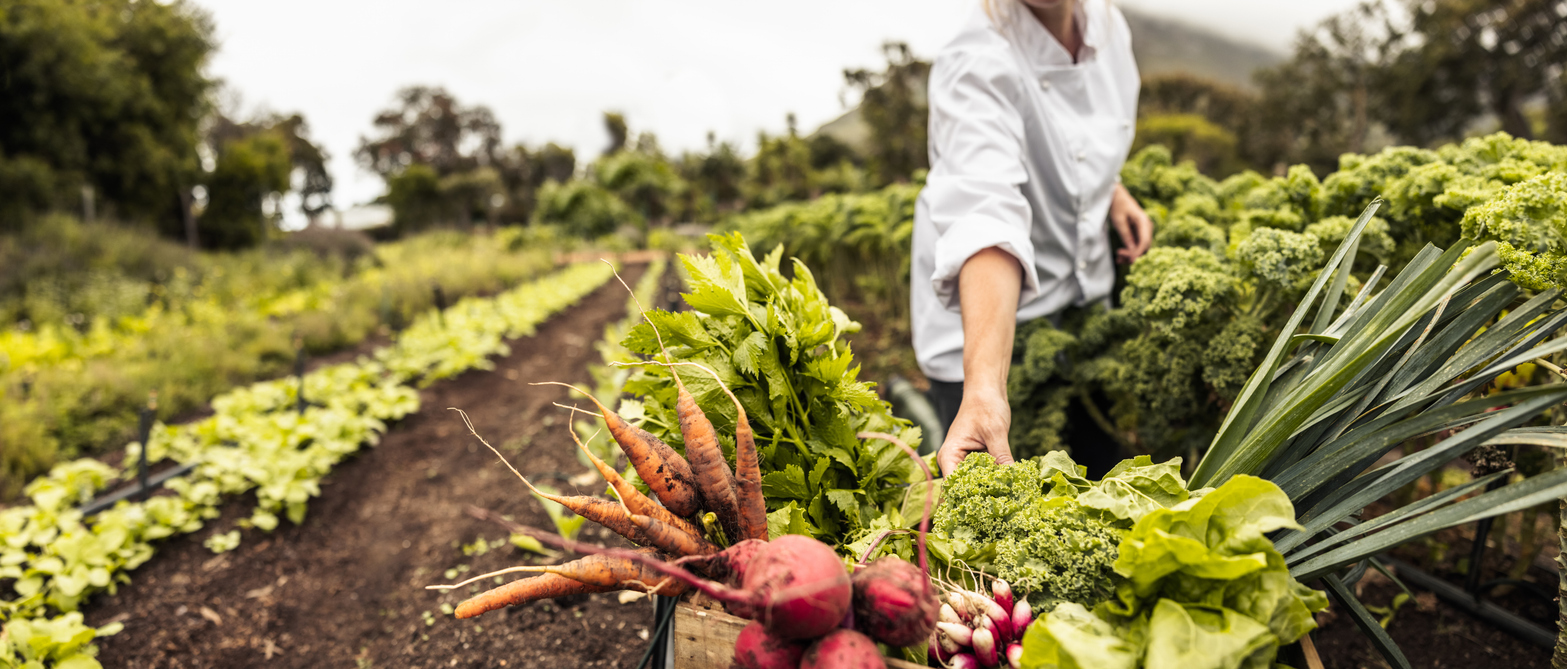
Central Texas farming near Austin developed through multiple cultural influences, including Indigenous communities, Spanish colonization, and European settlement. These traditions shaped the region’s mix of crops, livestock, and land use practices that continue to influence agriculture today. From early subsistence farming to ranching and diversified small farms, the area reflects a long history of adapting to climate, soil, and economic change.
What Native Tribes Farmed Near Austin Before 1700?
View this post on Instagram
Before European settlement, Indigenous groups in Central Texas practiced a mix of hunting, gathering, and seasonal agriculture rather than large-scale permanent farming. Groups such as the Tonkawa and other regional tribes relied primarily on hunting bison, deer, and small game, while also cultivating crops like corn, beans, and squash in suitable areas near rivers and creeks. While the “Three Sisters” planting method was used in parts of North America, it was more strongly associated with Eastern Woodlands tribes than Central Texas. Local groups adapted their food systems to the region’s drier climate and variable soil conditions, combining agriculture with mobility.
Spanish Missions Bring Cattle Ranching to Central Texas
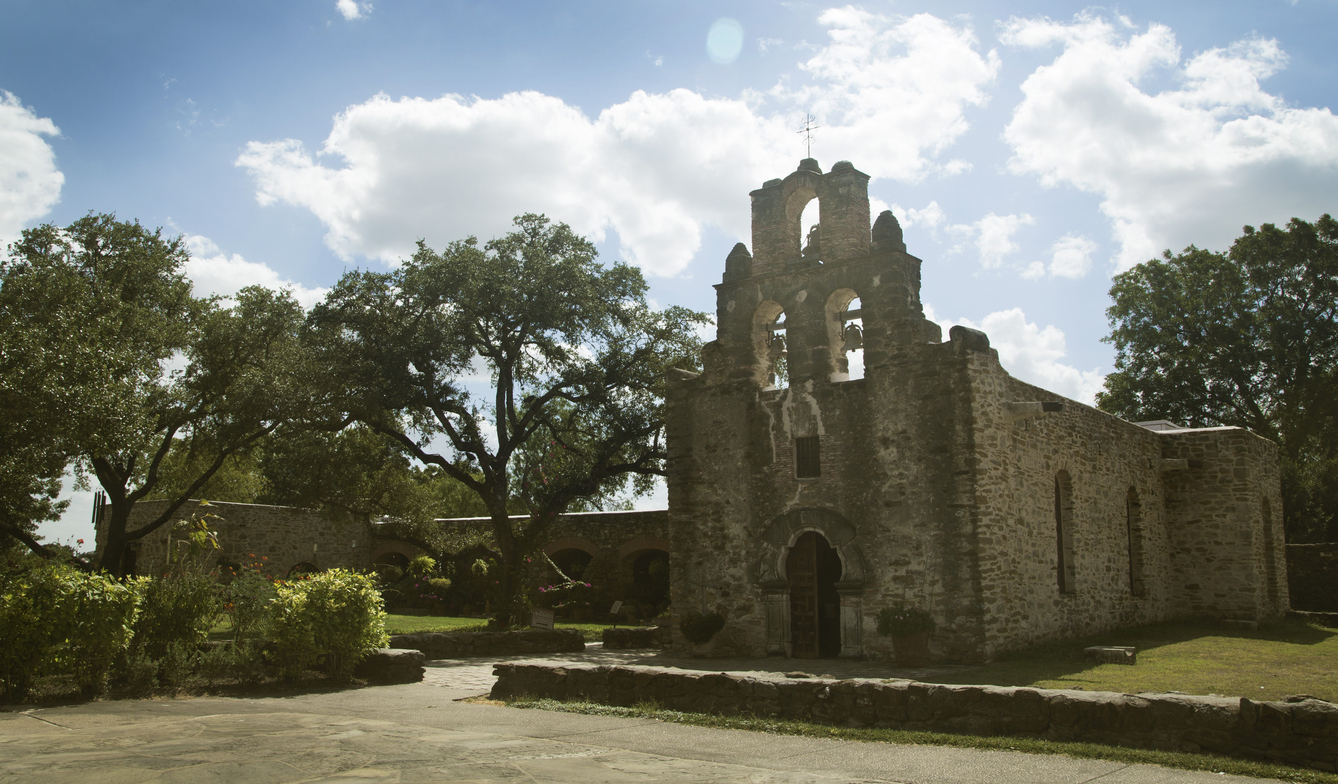
Spanish colonization in the early 1700s introduced organized ranching and agriculture to Central Texas. Missions, particularly those established in San Antonio in 1718 and after, included farmland, irrigation systems, and livestock operations. Indigenous peoples worked alongside Spanish settlers, managing crops and caring for cattle and sheep. These early ranching systems helped establish the vaquero traditions that later influenced Texas cowboy culture. Livestock raising became a central part of the regional economy and land use.
How Wild Longhorns Shaped Central Texas Cattle Culture
After the Civil War, large populations of feral longhorn cattle roamed Texas, creating opportunities for ranchers to build wealth through cattle drives. Between the late 1860s and 1880s, ranchers drove herds north to railheads in Kansas, where beef sold at higher prices. While Austin itself was not a primary cattle trail hub, Central Texas contributed to the broader cattle economy through grazing lands and ranching operations. This period helped establish Texas as a major cattle-producing region and reinforced the importance of livestock in Central Texas agriculture.
Why German Immigrants Influenced Farming in Central Texas
German immigrants who settled in Central Texas during the mid-1800s brought diversified farming practices that contrasted with single-crop systems. They cultivated a mix of grains, vegetables, and livestock, focusing on sustainability and self-sufficiency. Communities in areas like Fredericksburg, New Braunfels, and surrounding regions became known for small farms that balanced production with long-term soil health. While crop rotation was not new globally, these settlers contributed to the region by promoting diversified agriculture and careful land management, which helped stabilize local farming systems.
Cotton Farming and Early Agricultural Expansion
Cotton became a major crop in parts of Central Texas during the 19th century, particularly in areas with fertile river-bottom soils. Anglo-American settlers introduced plantation-style agriculture, often relying on enslaved labor prior to the Civil War. Cotton production expanded across the region, though it was more dominant in eastern and southeastern parts of Texas than immediately around Austin. This period marked a shift toward cash crop agriculture, influencing land ownership patterns and economic development.
Crop Traditions in Central Texas: Pecans, Peaches, and Cattle
Beyond cotton and staple crops, Central Texas developed a reputation for specific agricultural products. Pecan trees are native to Texas and have long been cultivated across the region, becoming one of the state’s most recognized crops. The Hill Country is also known for peach orchards, particularly around Fredericksburg, where seasonal harvests attract visitors each summer. Cattle remain central to the region’s agricultural identity, with Texas longhorns and modern beef cattle breeds continuing the ranching traditions established centuries ago. These crops and livestock highlight the diversity of Central Texas agriculture beyond early farming systems.
How Small Farms Mixed Livestock and Crops in the 1800s
Throughout the 19th century, many Central Texas farmers operated mixed-use farms that combined crops and livestock. Typical farms raised corn, sorghum, vegetables, cattle, and poultry, allowing families to diversify income and reduce risk. Livestock provided food, labor, and additional revenue, while crops supported both household needs and local markets. This approach helped farmers adapt to changing weather conditions and market fluctuations, creating a resilient agricultural system.
Which Immigrant Groups Shaped Modern Central Texas Agriculture?
Central Texas agriculture reflects the combined influence of several groups, including Indigenous communities, Spanish settlers, Anglo-Americans, and German immigrants. Each contributed different practices:
- Indigenous groups introduced early cultivation and land-use knowledge
- Spanish settlers established ranching systems
- Anglo-American settlers expanded commercial agriculture
- German immigrants promoted diversified and sustainable farming
Together, these influences created a balanced agricultural tradition that continues to evolve.
Why Today’s Austin Farmers Revive Traditional Growing Methods
View this post on Instagram
Modern farmers in the Austin area are revisiting older agricultural practices to meet demand for locally grown and sustainable food. Farms such as Boggy Creek Farm and urban agriculture initiatives in Austin emphasize seasonal crops, soil health, and reduced chemical use. These approaches reflect earlier farming methods that prioritized diversity and environmental balance. Farmers markets and community-supported agriculture programs highlight this shift, connecting consumers with locally produced food and reinforcing the region’s agricultural heritage.
Working Farms and Agritourism Near Austin
Visitors can experience Central Texas farming traditions firsthand through working farms and agritourism destinations in and around Austin. Boggy Creek Farm, located in East Austin, is one of the city’s oldest continuously operating urban farms, originally established in the 19th century. It offers seasonal produce through its on-site market and demonstrates regenerative, small-scale farming practices. Other nearby farms host seasonal experiences such as farm tours, honey tastings, and livestock encounters, allowing visitors to engage directly with agricultural life. These destinations provide a closer look at how traditional farming methods are adapted for modern audiences.
Conclusion
Central Texas farming traditions near Austin reflect centuries of adaptation and cultural exchange. From Indigenous food systems to Spanish ranching and immigrant farming practices, each era contributed to the region’s agricultural identity. Today, these traditions continue through modern farms and local markets, offering a connection to the land and the people who shaped it.