Houston-Area Farms and Sustainable Food Producers
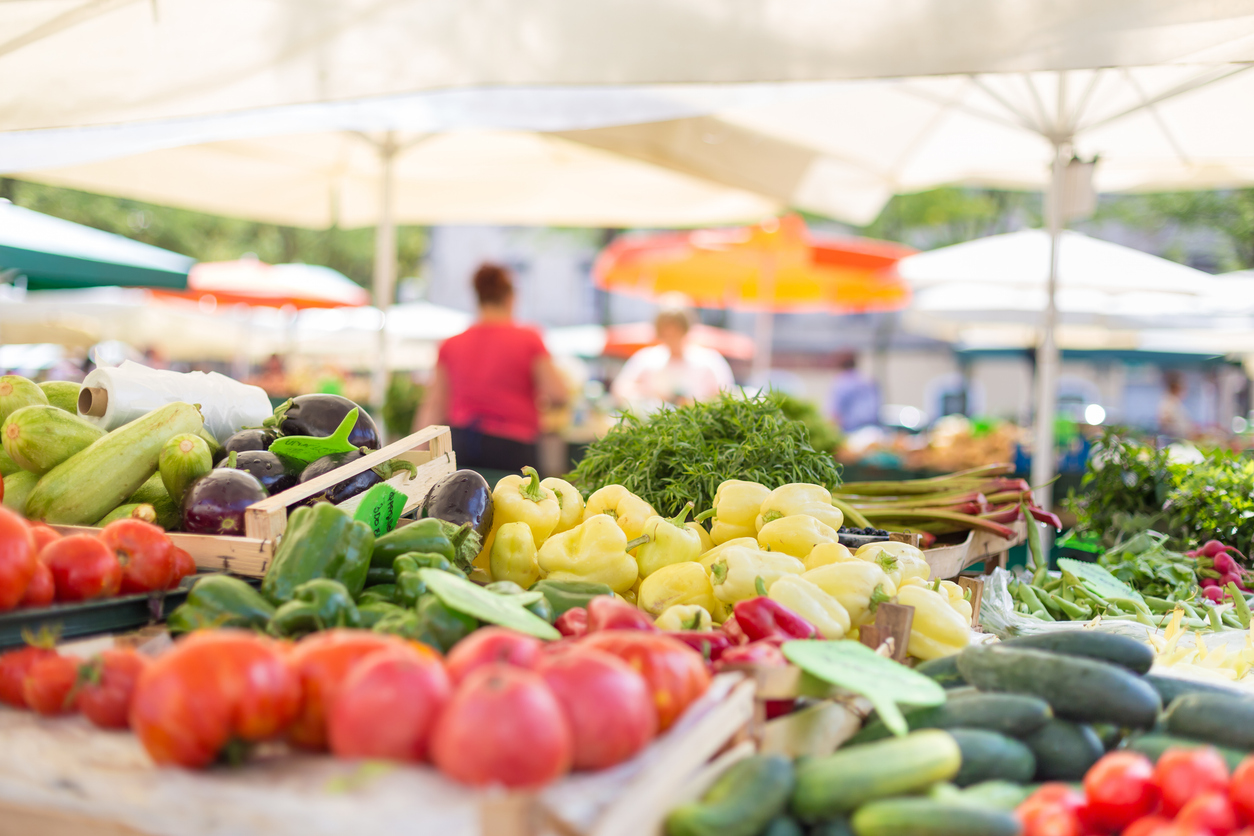
You’ll find a growing network of local farms, ranches, and food producers within driving distance of Houston, offering fresh produce, pasture-raised meats, and sustainably grown goods. While the exact number of certified organic farms varies, the region supports dozens of small-scale farms and sustainable operations that sell directly to consumers through CSA programs, farmers markets, and on-site farm stands. Many also offer delivery options, making it easier to access locally grown food year-round.
Top Organic and Sustainable Farms Near Houston
View this post on Instagram
Finding strictly certified organic farms in Southeast Texas can be more limited than expected, but many farms follow organic or low-spray practices even if they are not formally certified. Notable farms serving the Houston area include:
- Plant It Forward Farms (Houston) – An urban farming organization supporting refugee farmers, offering seasonal vegetables through markets and CSA programs
- Wood Duck Farm (Cleveland, TX) – Known for naturally grown produce and CSA subscriptions serving the north Houston region
- Blackwood Educational Land Institute (Hempstead, TX) – A long-standing farm focused on organic methods, education, and community-supported agriculture
- Atkinson Farms (Spring, TX) – A well-known vendor at local farmers markets with fresh, seasonal produce
- Finca Tres Robles (East Houston) – A community-based farm growing produce for local neighborhoods and food access programs
Many of these farms emphasize soil health, crop rotation, and minimal chemical use, even when they are not USDA-certified.
Houston CSA Programs and Weekly Produce Boxes
Community Supported Agriculture (CSA) programs allow you to receive weekly or biweekly boxes of fresh produce directly from local farms. Typical CSA details in the Houston area:
- Weekly cost: $25–$45 per box, depending on size and contents
- Pickup locations: Farmers markets, farm sites, or neighborhood drop points
- Delivery: Available from select farms in central Houston and suburbs
- Season length: Often 8–16 weeks, with spring, summer, and fall options
Programs like those from Wood Duck Farm, Blackwood, and Plant It Forward provide consistent access to fresh vegetables while supporting local growers.
Where to Buy Direct From Houston Farms
View this post on Instagram
If you prefer to shop directly, several farms and food hubs offer farm stands, online ordering, and delivery services. Reliable options include:
- Plant It Forward Farm Stands (Houston) – Rotating neighborhood locations with freshly harvested produce
- Houston Farmers Market (Airline Drive) – A historic, year-round market with produce vendors and specialty goods
- Urban Harvest Farmers Market (Buffalo Speedway) – One of the city’s most established markets featuring local farms and prepared foods
- Fresh Houwse Grocery (Houston) – A food hub highlighting products from local and regional Black farmers
- Verdegreens Farms (Houston) – Specializes in hydroponic leafy greens supplied to markets and restaurants
These outlets make it easy to access fresh food without committing to a CSA subscription.
Houston Farmers Markets Featuring Local Producers
View this post on Instagram
Farmers markets remain one of the best ways to connect with local growers and food artisans. Top markets include:
- Urban Harvest Farmers Market – Large Saturday market with local farms, prepared foods, and artisan goods
- Houston Farmers Market (Airline Drive) – A historic market open daily with produce, meats, and international foods
- Tomball Farmers Market – A well-curated weekend market with local vendors and family-friendly atmosphere
- Energy Corridor Farmers Market – Known for prepared foods and local produce
- East End Farmers Market – A smaller community-focused market with local vendors and crafts
Many markets accept SNAP/EBT benefits, increasing access to fresh, locally grown food.
Pasture-Raised Meat and Regenerative Ranches Near Houston
View this post on Instagram
Ranches around Houston provide grass-fed and pasture-raised meats, often using regenerative practices that prioritize soil health and animal welfare. Examples include:
- R-C Ranch (Richmond, TX) – Offers grass-fed and grain-finished beef, widely available at markets and restaurants
- 44 Farms (Cameron, TX) – Known for high-quality beef supplied across Texas, including Houston-area retailers
- Laughing Frog Farm (Needville, TX) – Produces pasture-raised poultry, eggs, and pork
- Yonder Way Farm (Fayetteville, TX) – Focuses on pasture-raised meats and direct-to-consumer sales
Many of these producers sell bulk meat shares (quarter, half, or whole animals) or individual cuts through local markets and online ordering.
Urban Farms You Can Support in Houston
View this post on Instagram
Houston’s urban agriculture movement brings food production into the city itself, offering community-driven growing spaces and educational programs. Notable initiatives include:
- Plant It Forward Farms – Operates multiple urban farm sites and supports refugee farmers
- Finca Tres Robles – A community farm focused on food access in East Houston
- Urban Harvest Community Gardens – A network of gardens across Houston supporting local residents
- Hope Farms (Recipe for Success Foundation) – Combines farming with culinary education programs
These projects help strengthen local food systems and community engagement.
Family-Friendly Farm Experiences Near Houston
View this post on Instagram
Several farms around Houston offer hands-on experiences that are perfect for families, groups, or anyone interested in agriculture. Top experiences include:
- Blessington Farms (Simonton, TX) – Offers berry picking, sunflower fields, playgrounds, and seasonal festivals
- Dewberry Farm (Brookshire, TX) – A well-known destination for fall pumpkin patches and holiday events
- Froberg’s Farm (Alvin, TX) – Features strawberry picking, corn mazes, and seasonal produce markets
- Oil Ranch (Hockley, TX) – Combines ranch activities with educational farm experiences
These destinations provide a fun way to learn about farming while enjoying outdoor activities.
Why Houston’s Climate Supports Year-Round Farming
Houston’s humid subtropical climate allows for extended growing seasons compared to most U.S. regions. Typical growing patterns include:
- Spring: Tomatoes, peppers, cucumbers
- Summer: Okra, eggplant, sweet potatoes
- Fall: Beans, squash, herbs
- Winter: Leafy greens, carrots, root vegetables
With mild winters and long warm seasons, farmers can often grow multiple crop cycles per year, supporting a steady supply of fresh produce.
Water Conservation Practices on Houston Farms
Sustainable farms in the region rely on efficient water management to handle heat and seasonal rainfall changes. Common practices include:
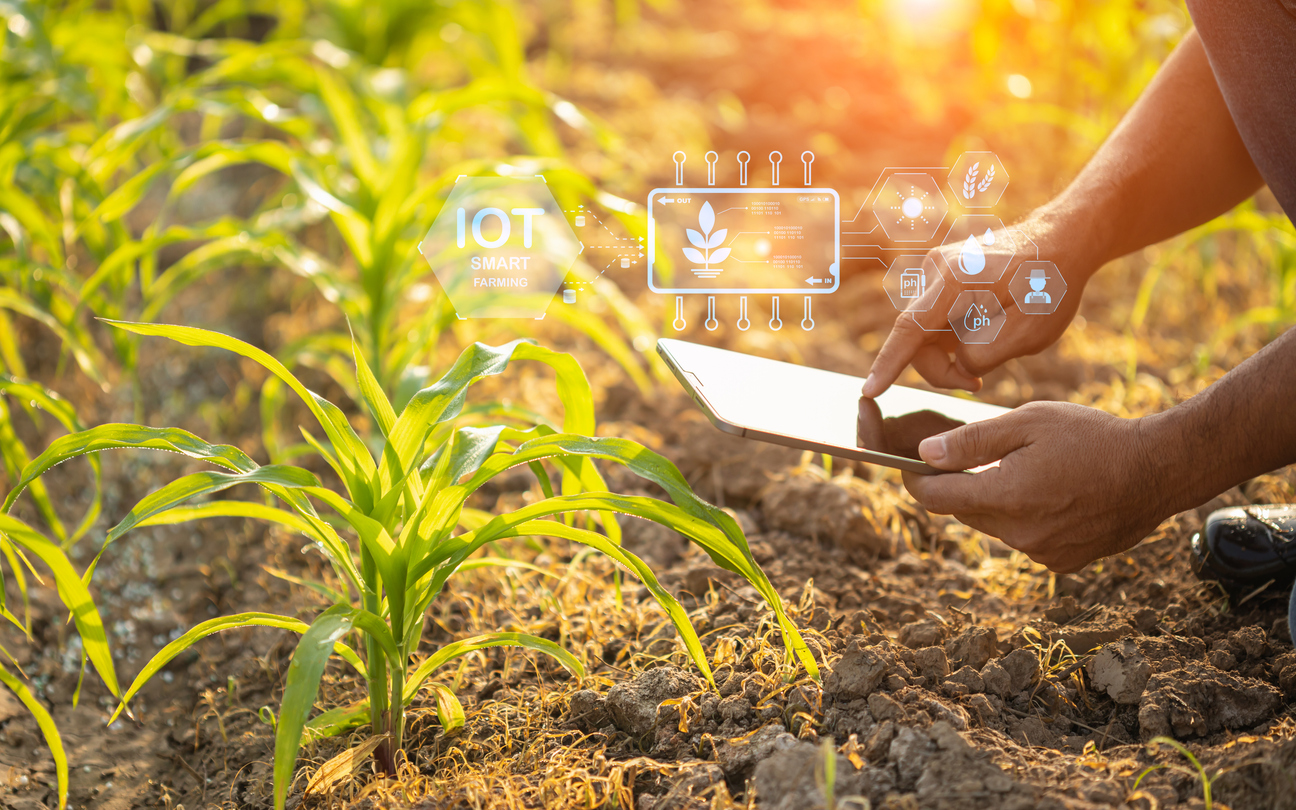
- Drip irrigation systems that deliver water directly to plant roots
- Rainwater collection systems for supplemental irrigation
- Mulching and soil-building techniques to retain moisture
- Crop selection suited to local climate conditions
These methods help reduce water waste while maintaining consistent production.
Conclusion
Houston’s sustainable food scene continues to grow, offering more ways than ever to access locally grown produce, pasture-raised meats, and community-supported agriculture. Whether you’re visiting a farmers market, joining a CSA, or buying directly from a farm, you’ll find fresh options that support both your health and the region’s agricultural community.