Working Farms and Historic Missions in San Antonio: Where Texas Agriculture Still Thrives
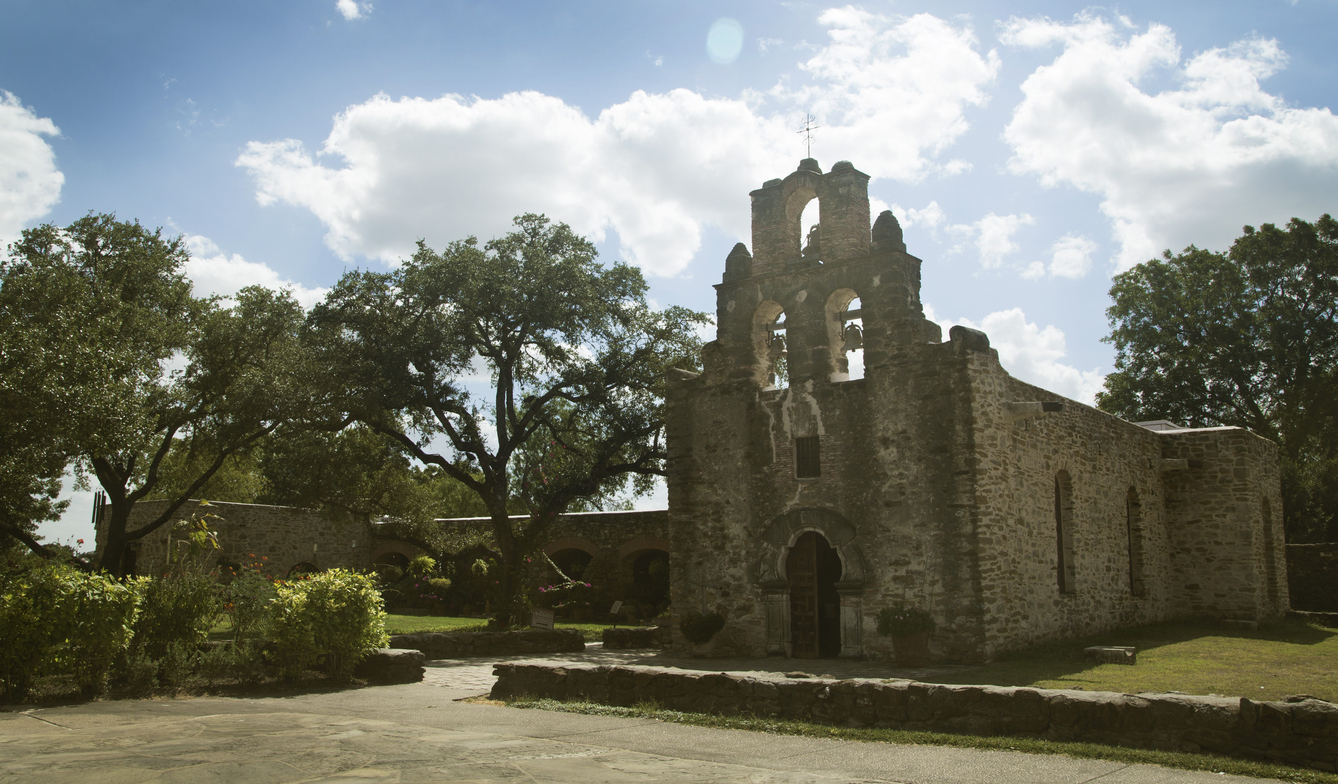
You'll discover one of North America’s oldest surviving irrigation systems at San Antonio Missions National Historical Park, where centuries-old acequias still channel water to surrounding lands. The San Juan Acequia, completed in the 18th century, remains one of the oldest continuously functioning irrigation systems in Texas.
Today, a combination of historic demonstration plots and modern farming operations showcases how these gravity-fed canals once supported mission communities and continue to educate visitors about sustainable agriculture.
How Acequias Brought Gravity-Fed Irrigation to San Antonio Missions
When Spanish colonists arrived in the early 1700s, they introduced acequias, a sophisticated irrigation system rooted in Moorish engineering traditions. These gravity-fed canals diverted water from the San Antonio River using carefully graded slopes, eliminating the need for pumps.
Governor Martín de Alarcón initiated early mission development in 1718, and irrigation systems were among the first major construction efforts. Over time, mission residents—including Indigenous laborers—expanded a network that eventually stretched for miles across the region.
Water distribution followed a structured system managed by a mayordomo, who allocated access through scheduled turns known as dulas. This system supported farming, livestock, and daily life, creating a sustainable agricultural foundation that allowed the missions to thrive.
What Mission Farms Grew: From Corn and Beans to Wheat and Livestock
San Antonio’s missions functioned as self-sustaining agricultural communities, producing a wide variety of crops and livestock.
Staple crops included corn, beans, squash, wheat, and barley, while orchards introduced fruits such as peaches, pears, figs, and pomegranates. Gardens also produced onions, peppers, melons, and herbs used for both food and trade.
Livestock operations were equally important, with missions raising cattle, sheep, goats, and horses. These agricultural systems reshaped the region’s economy and food supply, laying the groundwork for Texas’s long-standing ranching traditions.
Today, Mission San Juan features a demonstration farm that reflects these historical practices, helping visitors understand how early farming methods supported daily life in the 18th century.
The San Juan Acequia and Texas's Oldest Water Systems
The San Juan Acequia remains one of the most significant surviving irrigation systems in Texas. Built in the 1700s to serve Mission San Juan Capistrano, it continues to demonstrate how water was distributed across farmland using simple but effective engineering.
While the system no longer operates at its historic scale, restoration efforts have preserved key sections, allowing visitors to see how canals, gates, and diversion structures functioned.
These acequias reflect a broader global tradition of irrigation that dates back thousands of years, adapted by Spanish settlers to the Texas landscape and maintained through generations.
How Mission Agriculture Supported Early Texas Communities
The Spanish mission system established regional food networks that supported settlements across South Texas. Farms and ranches associated with the missions produced surplus goods such as grain, meat, and textiles, which were shared with nearby communities and military outposts.
Rather than serving distant regions across vast territories, mission agriculture primarily supported local and regional populations, reinforcing San Antonio’s role as an early economic center.
These agricultural practices helped shape the development of ranching, farming, and trade systems that continue to influence Texas today.
Mission San Juan Farm and the San Antonio Food Bank Partnership
A modern partnership between the San Antonio Food Bank and the National Park Service has revitalized agricultural activity at Mission San Juan. This collaboration blends historic land use with contemporary farming techniques.
Today, the farm includes:
- A demonstration garden showing traditional crops and planting methods
- Larger cultivated areas using modern irrigation and sustainable practices
- Seasonal crops distributed to support community food programs
This effort connects the missions’ agricultural past with present-day food access initiatives, giving the land a continued purpose.
How Much Produce Is Grown on Mission Lands Today
Modern agricultural operations at Mission San Juan produce tens of thousands of pounds of fresh produce annually, contributing to regional food distribution efforts.
While early claims of significantly higher output vary by season and year, current production focuses on education, sustainability, and community support rather than large-scale commercial farming.
Visitors can see how both historic and modern techniques are used to grow crops suited to South Texas’s climate.
Colonial Crops Meet Modern Farming at Mission Demonstration Gardens
The demonstration areas at Mission San Juan highlight how traditional crops and methods remain relevant today.
You’ll find:
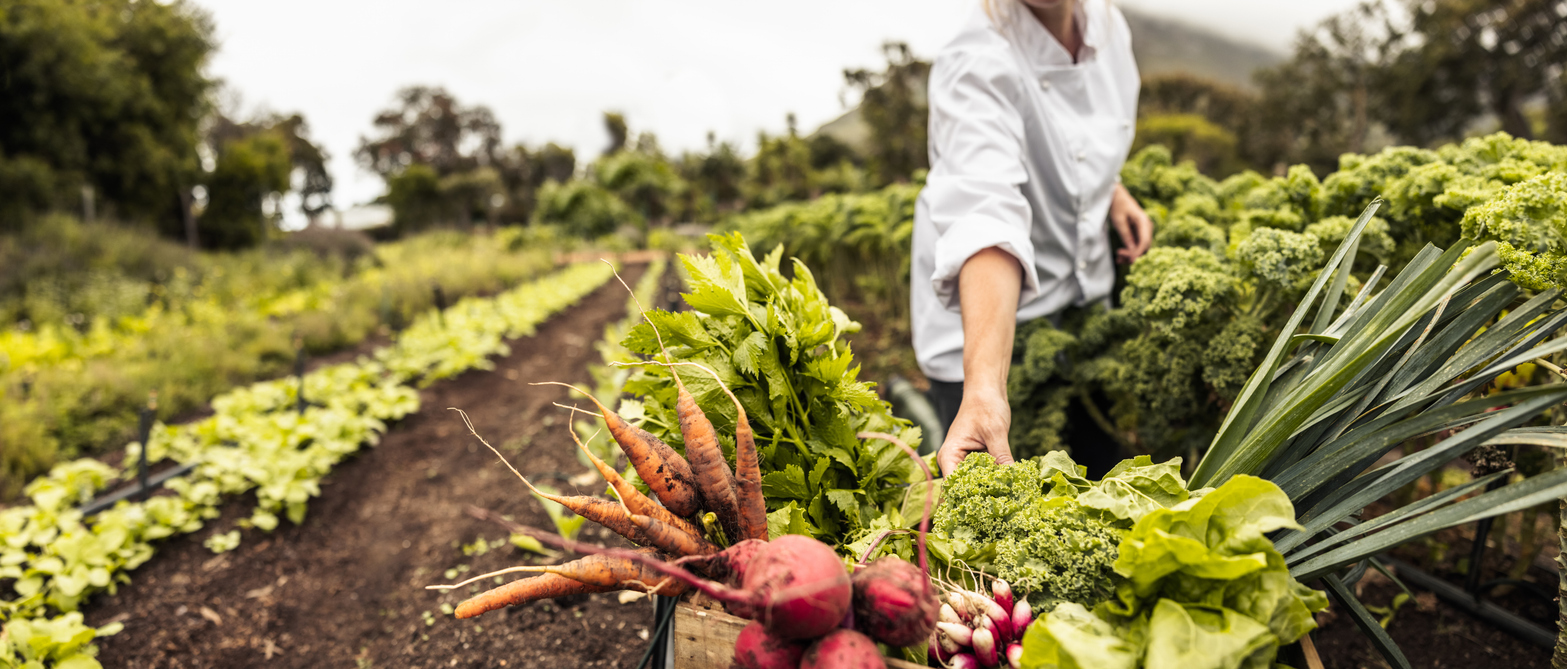
- Heritage crops such as corn, beans, squash, and chile peppers
- Drought-tolerant plants like nopal cactus and figs
- Traditional irrigation patterns alongside modern water-saving techniques
These gardens serve as a living classroom, showing how early agricultural knowledge can inform modern sustainability practices.
Where Water Powered Mills and Sustained Communities
The acequia system also supported early industry, including gristmills used to process grain into flour. At Mission San José, a reconstructed mill demonstrates how water power was used to grind corn and wheat for local consumption.
These mills played a key role in creating self-sufficient communities, allowing missions to process their own food and support surrounding settlements.
Later industrial development in San Antonio built on these early systems, connecting agriculture to broader economic growth.
Visiting Working Farms at San Antonio Missions National Historical Park
Today, visitors can explore Mission San Juan and surrounding areas to see how agriculture shaped daily life in the missions.
Highlights include:
- The Mission San Juan Farm, with demonstration plots and active growing areas
- The Acequia Trails, where you can walk alongside historic irrigation canals
- Interpretive signage explaining farming techniques, crops, and water systems
While not a traditional “working farm” in a commercial sense, the site offers a hands-on look at Texas’s agricultural heritage, blending history, education, and conservation.
Working Ranches and Agritourism Experiences Beyond the Missions
Beyond the mission lands, the surrounding Texas Hill Country offers opportunities to experience working ranches and agritourism firsthand.
In nearby Bandera, often called the “Cowboy Capital of the World,” visitors can stay at traditional dude ranches where horseback riding, cattle drives, and ranch-style meals are part of the experience.
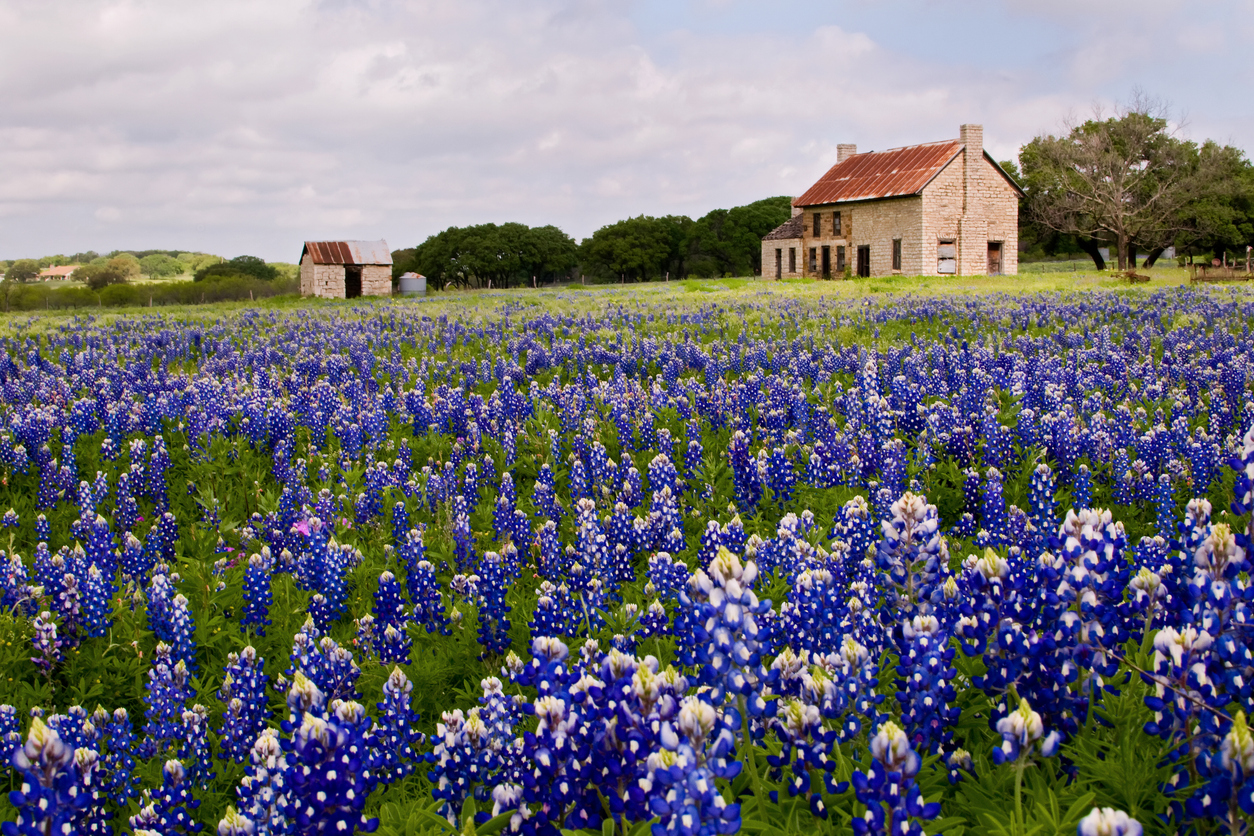
North of San Antonio, the Hill Country also features orchards, vineyards, and U-pick farms where visitors can harvest seasonal produce such as peaches, strawberries, and pumpkins depending on the time of year.
Day trips to areas like Fredericksburg and Johnson City showcase working landscapes filled with peach orchards, olive groves, and vineyards, blending agriculture with tourism in a way that reflects the region’s rural heritage.
These experiences expand the “working farms” perspective beyond the missions, offering a broader look at how agriculture continues to shape daily life across South Central Texas.
Conclusion
San Antonio’s mission lands offer a rare opportunity to experience living agricultural history. From centuries-old acequias to modern demonstration farms, these landscapes show how early irrigation and farming practices shaped the region’s development.
When you visit, you’re not just exploring historic sites—you’re stepping into a system that continues to influence how food is grown, shared, and understood in Texas today.