Outdoor Farm Activities and Agritourism Across Texas
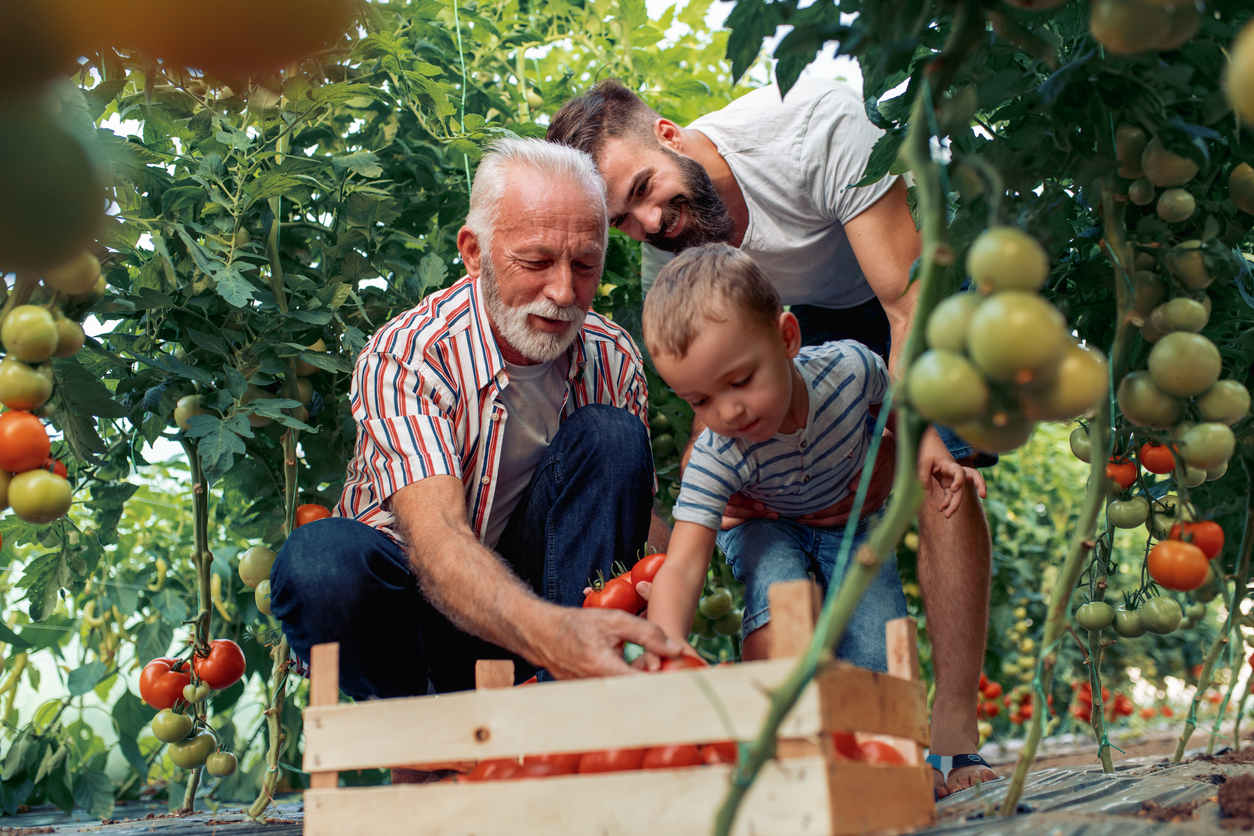
Texas agritourism gives visitors the opportunity to experience working farms, ranches, orchards, wineries, flower fields, and seasonal harvest events across the state. From berry picking in East Texas and vineyard tours in the Hill Country to pumpkin patches, lavender farms, and Christmas tree farms, agritourism continues connecting travelers with Texas agriculture in more hands-on and family-friendly ways. The industry has expanded significantly in recent years as more farms diversify their operations beyond traditional agriculture. Many Texas farms now combine education, recreation, lodging, festivals, and farm-to-table experiences that attract both local visitors and travelers exploring rural regions of the state. For many families, agritourism also provides a chance to better understand where food comes from while supporting small farms and local agricultural communities.
What Is Agritourism and Why Is It Growing in Texas?
Agritourism refers to activities that allow visitors to experience agricultural life directly through farm visits, educational programs, seasonal festivals, and outdoor recreation experiences. In Texas, agritourism includes:
- Pick-your-own fruit farms
- Winery tours
- Farm stays
- Corn mazes
- Pumpkin patches
- Wildflower farms
- Ranch tours
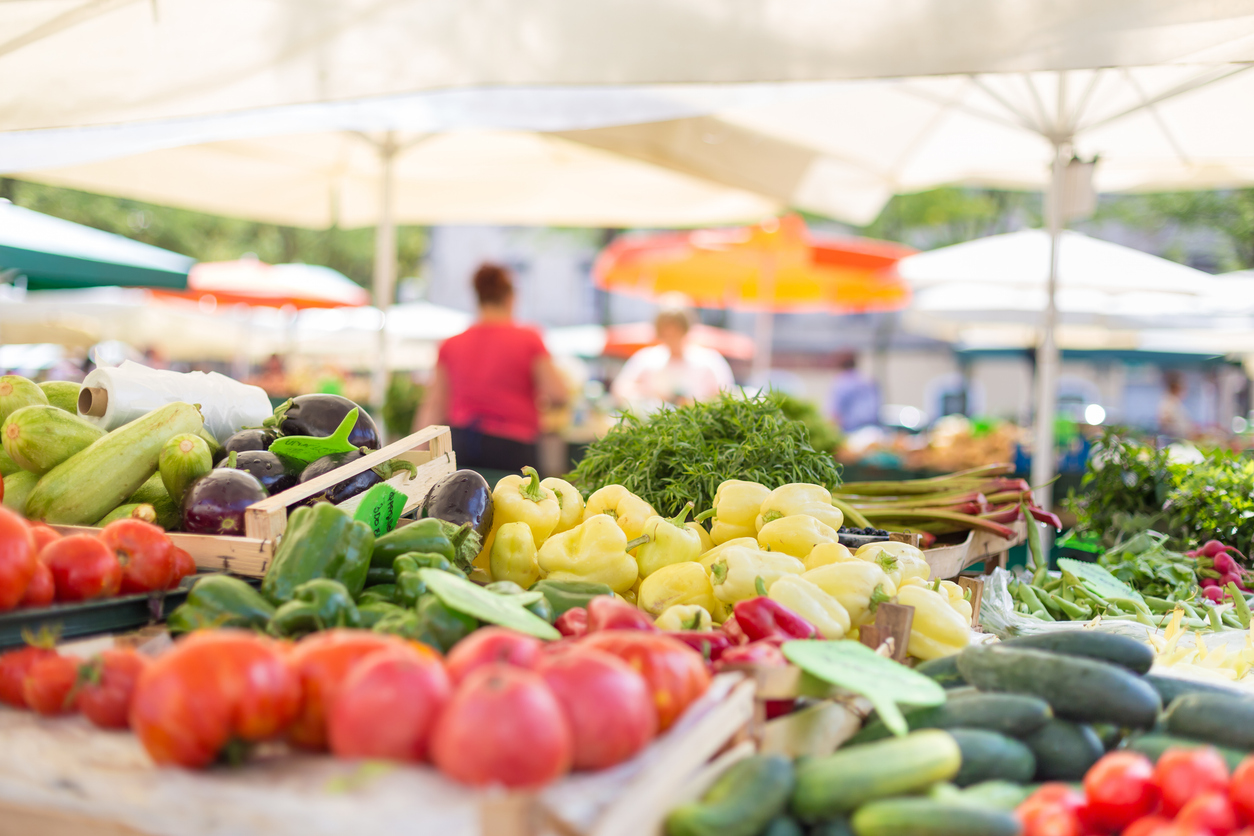
- Farmers markets
- Lavender fields
- Christmas tree farms
Texas has become one of the country’s leading agritourism destinations partly because of its size and agricultural diversity. Visitors can experience entirely different farm environments depending on the region, including:
- Hill Country vineyards
- Coastal rice farms
- East Texas berry farms
- South Texas citrus groves
- Panhandle ranchlands
Many farms also use agritourism to create additional income streams that help offset fluctuating crop prices, drought conditions, and rising operating costs. As interest in locally grown food and outdoor travel continues growing, agritourism has become increasingly important to rural tourism economies across Texas.
Hill Country Wineries, Lavender Farms, and Seasonal Festivals
View this post on Instagram
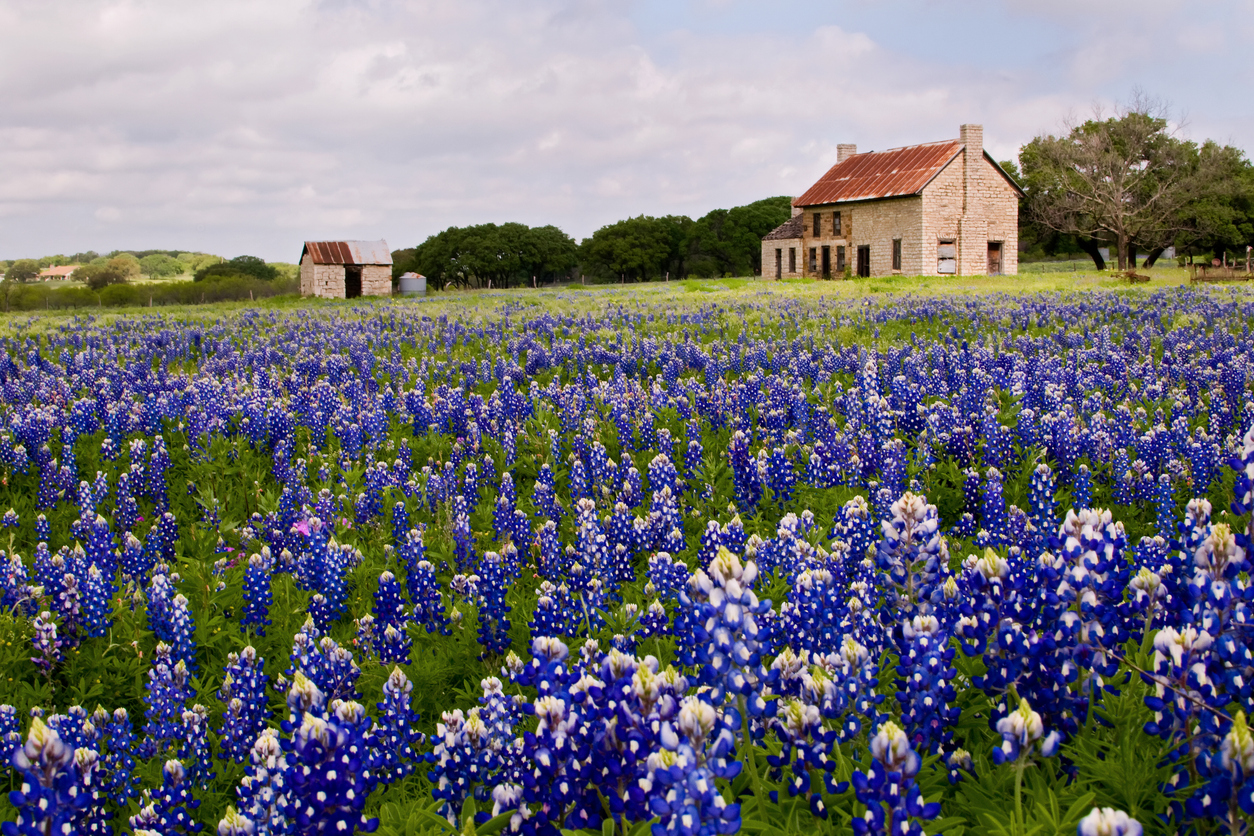
The Texas Hill Country remains one of the state’s most popular agritourism regions. Fredericksburg and the surrounding Hill Country wine region feature more than 100 wineries and tasting rooms, making the area one of the country’s fastest-growing wine destinations. Vineyards throughout Gillespie, Blanco, and Hays counties attract visitors looking for scenic tasting experiences, vineyard tours, and weekend travel escapes. Wineries such as Becker Vineyards, Grape Creek Vineyards, and William Chris Vineyards helped establish the Hill Country as a nationally recognized wine region. The area is also known for seasonal agritourism attractions including lavender farms, peach orchards, sunflower fields, and wildflower destinations. In Blanco, Hill Country Lavender Farm attracts visitors during blooming season, while Fredericksburg’s Wildseed Farms remains one of the best-known wildflower destinations in Texas. The farm features walking trails, seasonal blooms, gift shops, and greenhouse areas that remain open throughout much of the year. Seasonal festivals throughout the Hill Country frequently combine live music, local food vendors, wine tastings, and outdoor markets, helping visitors experience both agriculture and regional culture together.
Berry Farms, Orchards, and Pick-Your-Own Experiences
View this post on Instagram
Pick-your-own farms remain one of the most popular agritourism activities for Texas families. In East Texas, farms such as Henderson Blueberry Farm near Pittsburg and The Berry Patch in Texas City allow visitors to pick seasonal berries directly from the fields. During spring and early summer, strawberry farms throughout Central and East Texas attract large crowds looking for family-friendly outdoor activities. Sweet Berry Farm in Marble Falls remains one of the state’s best-known seasonal farms, offering strawberries, tulips, sunflowers, pumpkin patches, and educational farm activities throughout the year. Peach orchards around Fredericksburg and Stonewall also become especially popular during summer harvest season. Many roadside orchards sell fresh peaches, jams, baked goods, and homemade ice cream during peak months. These farm visits often combine outdoor recreation with food experiences, allowing visitors to spend entire afternoons exploring fields, picnic areas, farm stores, and seasonal attractions.
Pumpkin Patches, Corn Mazes, and Christmas Tree Farms
View this post on Instagram
Fall agritourism events have become major seasonal attractions throughout Texas. Pumpkin patches and corn mazes now draw large crowds each autumn, especially near major metropolitan areas such as Dallas-Fort Worth, Houston, Austin, and San Antonio. Popular destinations include:
- YesterLand Farm in Canton
- Sweet Eats Adventure Farm in Georgetown
- Dewberry Farm in Brookshire
- Mainstay Farm in Cleburne
These farms often feature hayrides, petting zoos, giant slides, pumpkin fields, and seasonal food vendors designed for family-oriented outdoor experiences. During winter, Christmas tree farms across Texas allow visitors to cut fresh trees while participating in holiday-themed activities. Farms such as Elgin Christmas Tree Farm and Evergreen Farms Christmas Trees near Elgin continue attracting families looking for traditional outdoor holiday experiences. Many of these seasonal farms have expanded into full agritourism destinations that operate year-round with rotating activities tied to different harvest seasons.
Ranch Experiences and Rural Tourism
View this post on Instagram
Texas ranch culture continues playing a major role in agritourism throughout the state, especially as more working ranches open their gates to travelers looking for outdoor experiences tied to rural life and agricultural traditions. Guest ranches in the Hill Country, South Texas, and West Texas now offer overnight stays, horseback riding, fishing access, wildlife tours, and outdoor recreation that allow visitors to experience daily ranch operations in more immersive ways. Historic destinations such as YO Ranch Headquarters near Kerrville helped popularize Texas ranch tourism through guided wildlife experiences and expansive Hill Country landscapes, while properties like Dixie Dude Ranch in Bandera continue attracting families interested in horseback riding and traditional ranch activities. In West Texas, ranches near Big Bend and Marfa often combine scenic desert landscapes with stargazing, trail rides, and wildlife photography opportunities. South Texas ranch properties may also offer seasonal birdwatching and guided nature tours because of the region’s rich wildlife habitats and migratory bird activity. Some working ranches additionally provide hunting programs and conservation-focused experiences during regulated seasons, helping preserve large rural landscapes while supporting agricultural operations. These ranch stays and outdoor tourism experiences give visitors a closer look at traditions deeply connected to Texas history while helping sustain family-owned ranches and rural communities across the state. Travelers exploring ranch stays and rural tourism experiences can also pair their trip with scenic drives through some of Texas’ most beautiful countryside regions.
Urban Farms and Educational Agriculture Experiences
View this post on Instagram
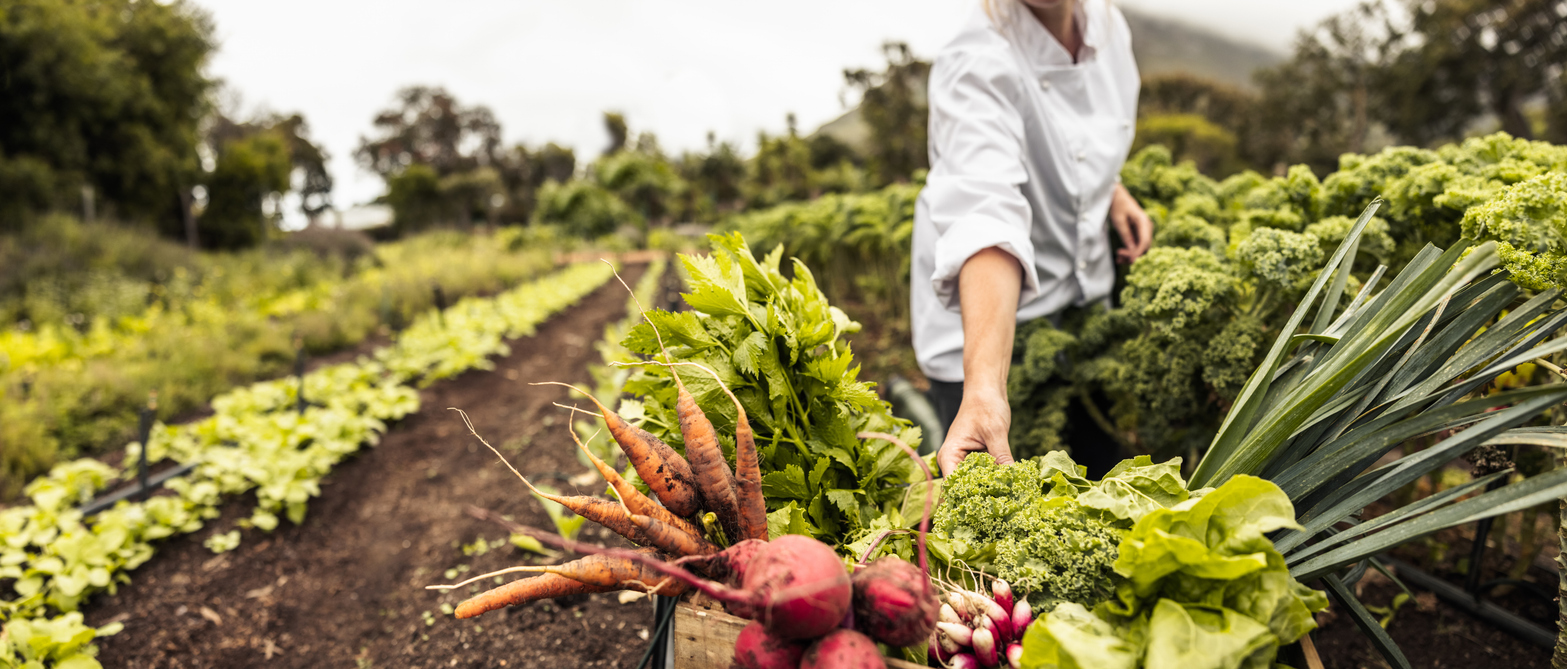
Agritourism is not limited to rural areas. Urban farms and community agriculture projects have also become important educational attractions in Texas cities. In Austin, Boggy Creek Farm operates as one of the city’s oldest urban farms and regularly hosts farm stands and educational experiences. Dallas, Houston, and San Antonio also feature urban agriculture projects that teach visitors about sustainable farming, composting, and local food production. Nature centers and educational farms increasingly partner with schools and homeschool programs to offer:
- Gardening workshops
- Farm animal demonstrations
- Pollinator education
- Composting lessons
- Seasonal planting activities
These programs help children and families experience agriculture firsthand even within larger metropolitan areas.
Farm Stays and Overnight Agritourism Experiences
Farm stays and rural lodging experiences continue growing in popularity throughout Texas. Many agritourism destinations now offer cabins, cottages, glamping tents, RV sites, and guesthouses located directly on working farms or ranches. Hill Country vineyards, lavender farms, and ranch properties often provide overnight accommodations that allow guests to experience sunrise views, wildlife activity, and quieter rural landscapes away from major cities. East Texas farms and ranches also attract travelers looking for fishing cabins, horseback riding retreats, and slower-paced outdoor getaways. These overnight experiences help visitors spend more time exploring surrounding small towns, wineries, parks, and local businesses while contributing to rural tourism economies.
How Agritourism Supports Texas Farmers and Rural Communities
Agritourism has become increasingly important for helping Texas farmers diversify their income and maintain family-owned agricultural operations. Seasonal tourism revenue often helps farms offset challenges caused by:
- Drought
- Crop price fluctuations
- Rising fuel costs
- Labor expenses
- Severe weather
Visitor spending also supports surrounding rural businesses such as:
- Restaurants
- Lodging
- Farmers markets
- Local shops
- Tour companies
For many small communities, agritourism creates additional economic activity during peak travel seasons while helping preserve local agricultural traditions and open land. It also strengthens connections between urban consumers and the farms that produce food, flowers, wine, and livestock throughout Texas.
Tips for Visiting Texas Agritourism Destinations
Texas agritourism experiences often depend heavily on seasonal conditions, weather, and harvest timing. Spring and fall generally provide the most comfortable weather for outdoor farm visits, especially in Central Texas and the Hill Country. Summer visits may involve extreme heat, particularly at open farms and orchards with limited shade. Visitors should always check:
- Seasonal operating schedules
- Reservation requirements
- Crop availability
- Weather conditions
- Pet policies
- Event calendars
Many farms recommend wearing closed-toe shoes because of uneven terrain, mud, insects, and agricultural equipment areas. Weekend festivals and peak harvest periods can become especially crowded, particularly during pumpkin season, peach season, and spring wildflower months. Supporting farm stores, produce stands, and local vendors during visits also helps sustain smaller agricultural operations throughout the state.
Conclusion
Agritourism continues shaping outdoor travel experiences across Texas by connecting visitors with farms, ranches, orchards, wineries, and seasonal harvest traditions. Whether picking berries in East Texas, exploring vineyards in the Hill Country, visiting pumpkin patches near Dallas-Fort Worth, or staying overnight at a working ranch, travelers can experience Texas agriculture in ways that blend recreation, education, food, and rural culture. These outdoor experiences not only create memorable family trips, but also help support local farmers and preserve agricultural traditions across the state.